Historic Mansions & Venues: Wedding Portrait Ideas for a Timeless Setting
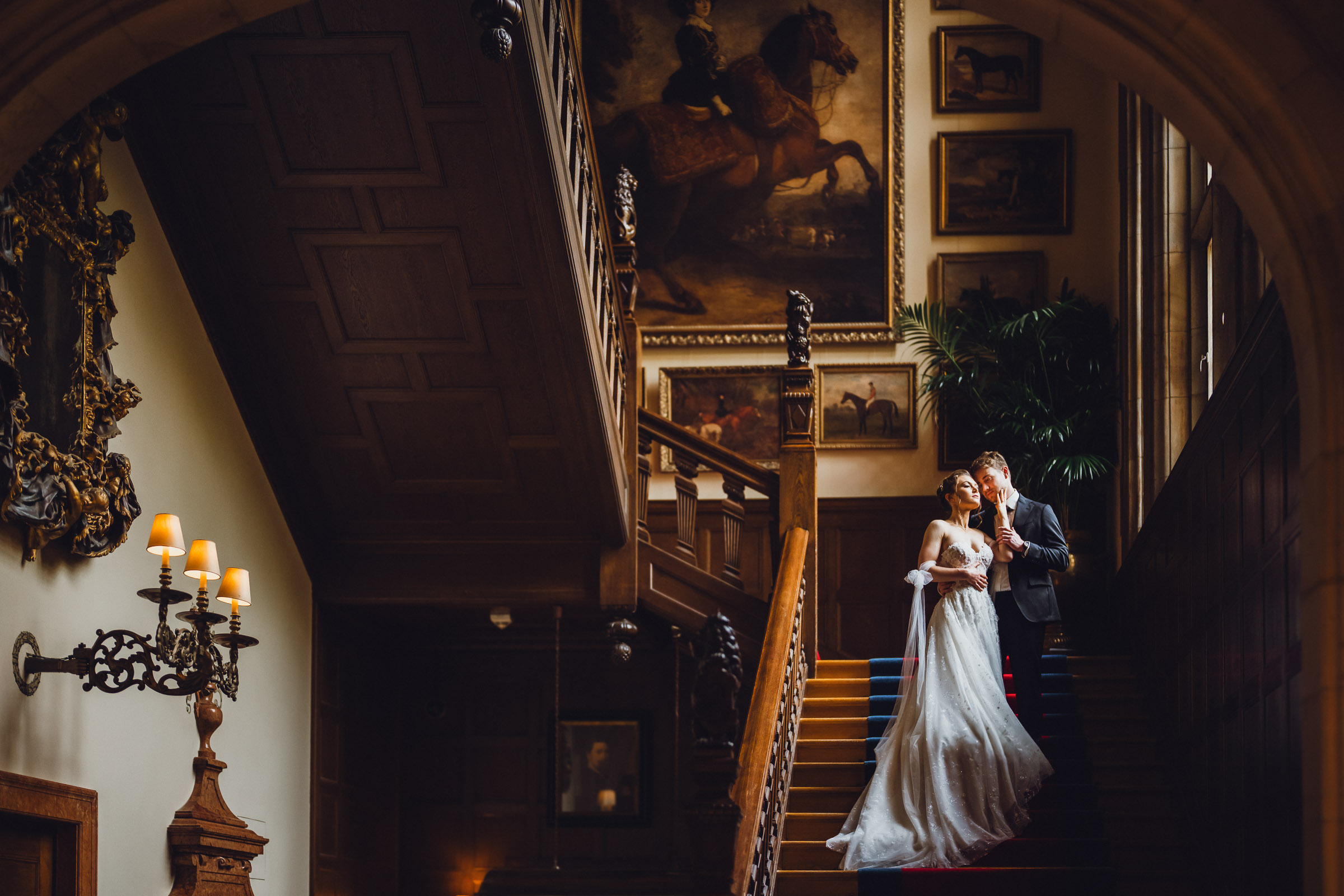
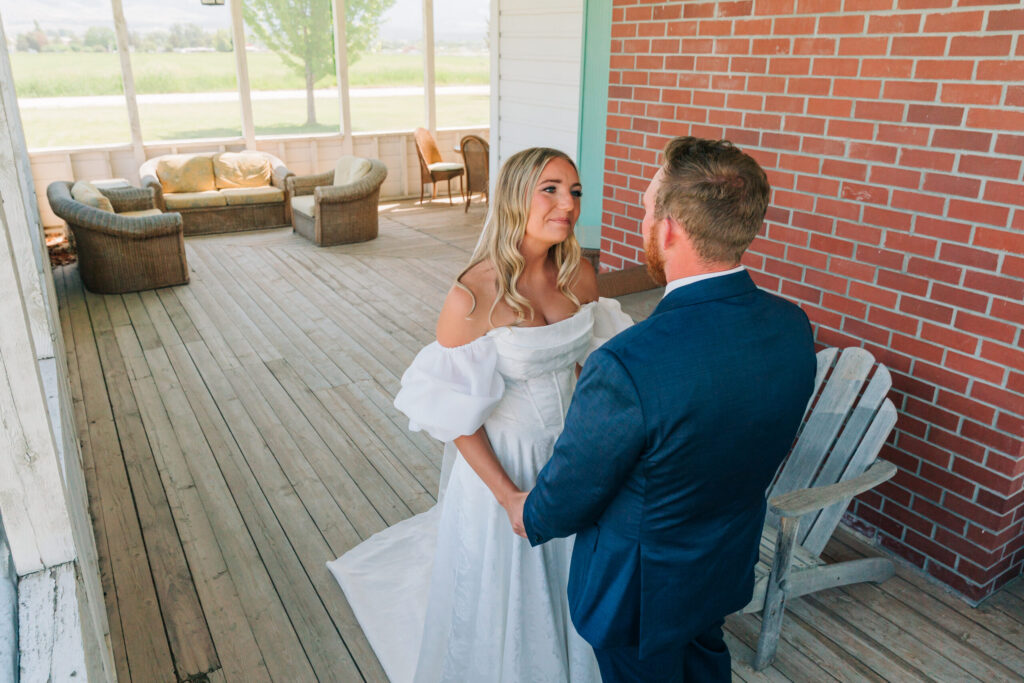
Historic mansions and venues offer something few modern locations can replicate: scale, character, and built-in visual storytelling. The vibe is unique, with old school backdrops that look equally at home on Instagram or framed large up on a wall. From sweeping staircases to candlelit dining halls, these spaces give wedding portraits a sense of place without requiring elaborate setups. If you’re looking to spend the big day at a historic venue, you’re in the right place. Below are practical, inspiration-first ideas you can use to guide your photographer, build a mood board, or even help you decide which Wedding Maps photographer aligns with your vision.
All of the images in this article are provided by the photographers at Wedding Maps and used with permission. Featured image by Andreas Pollok.
1. Staircase Moments That Feel Grand, Not Staged
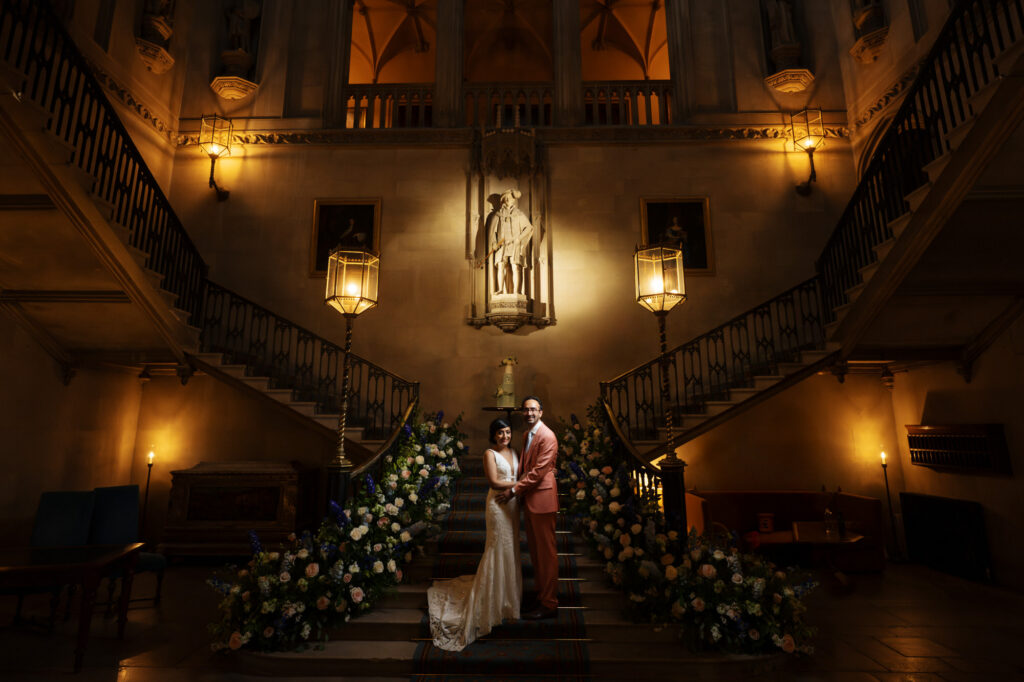
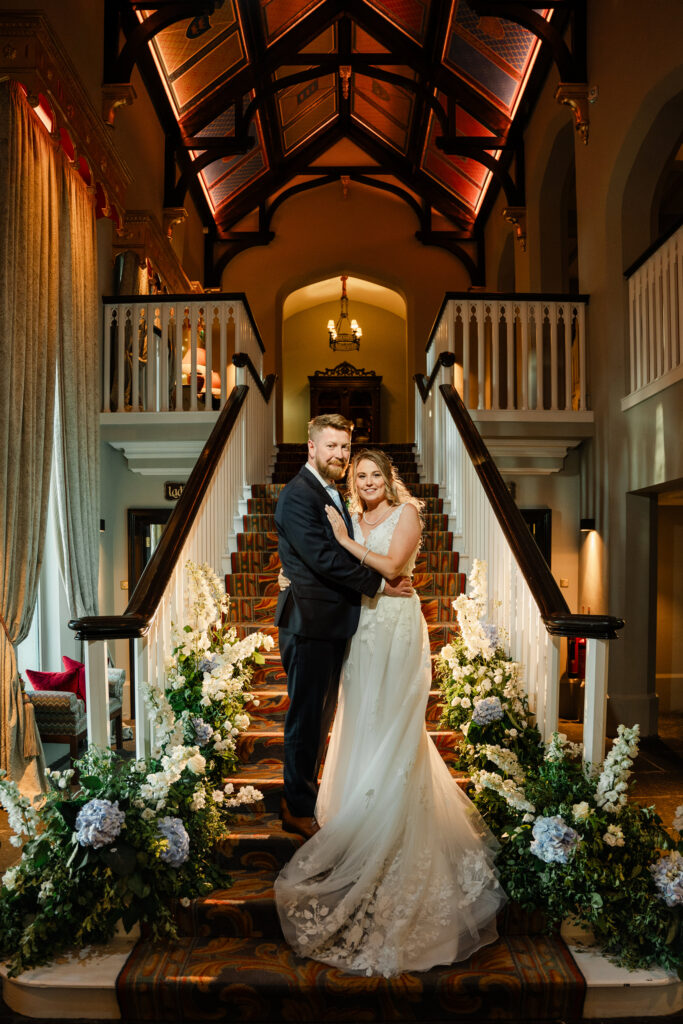
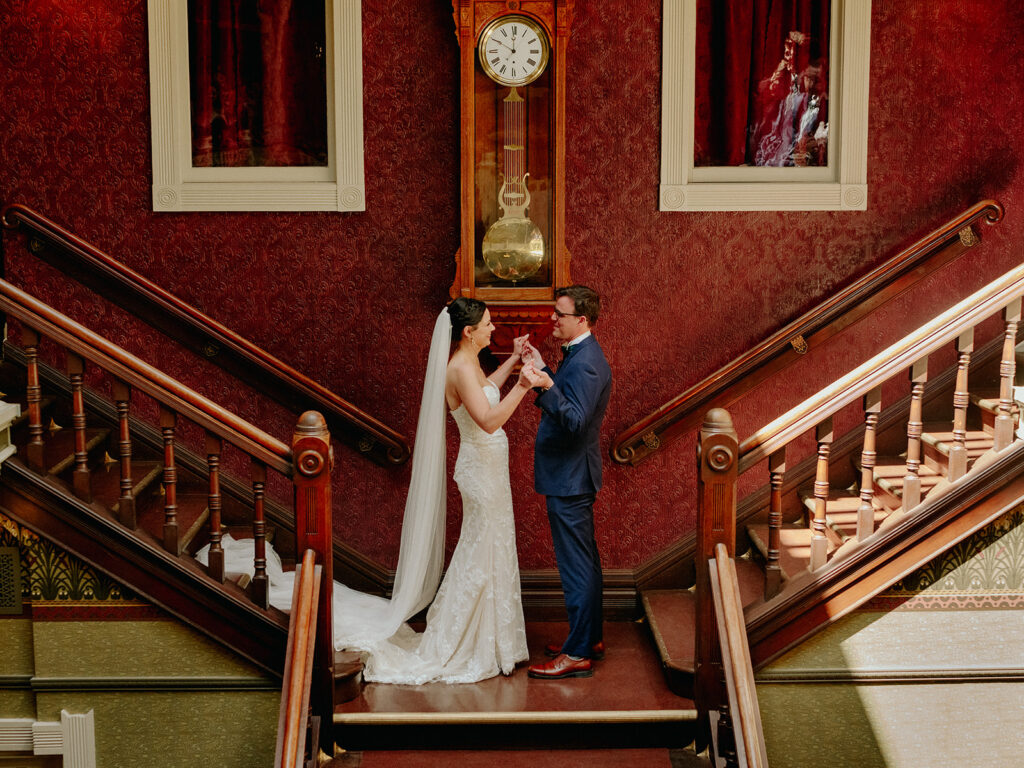
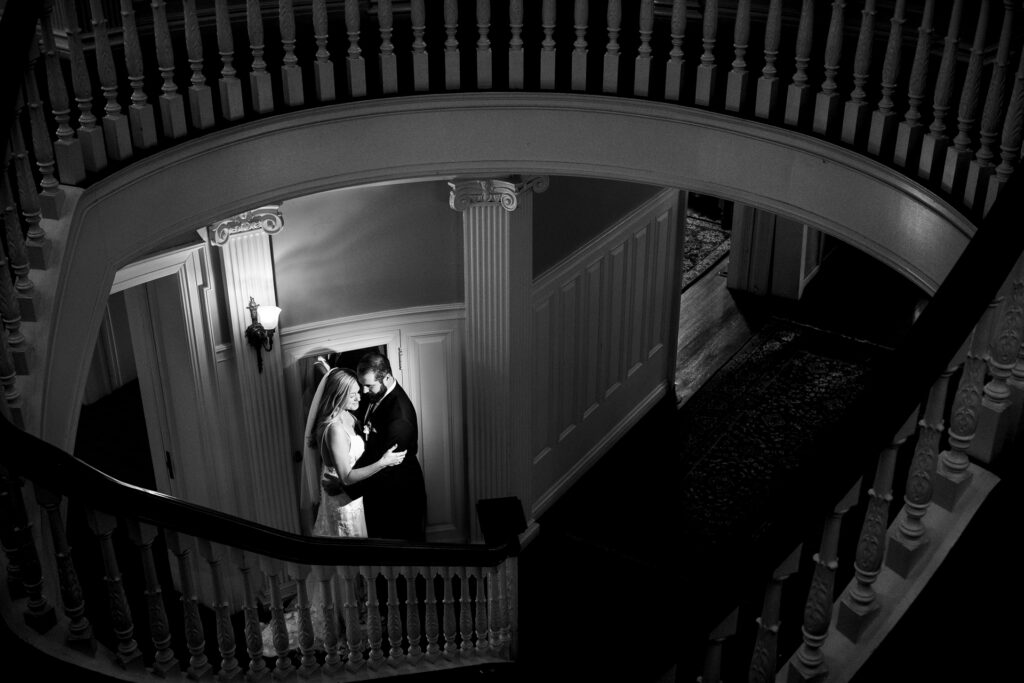
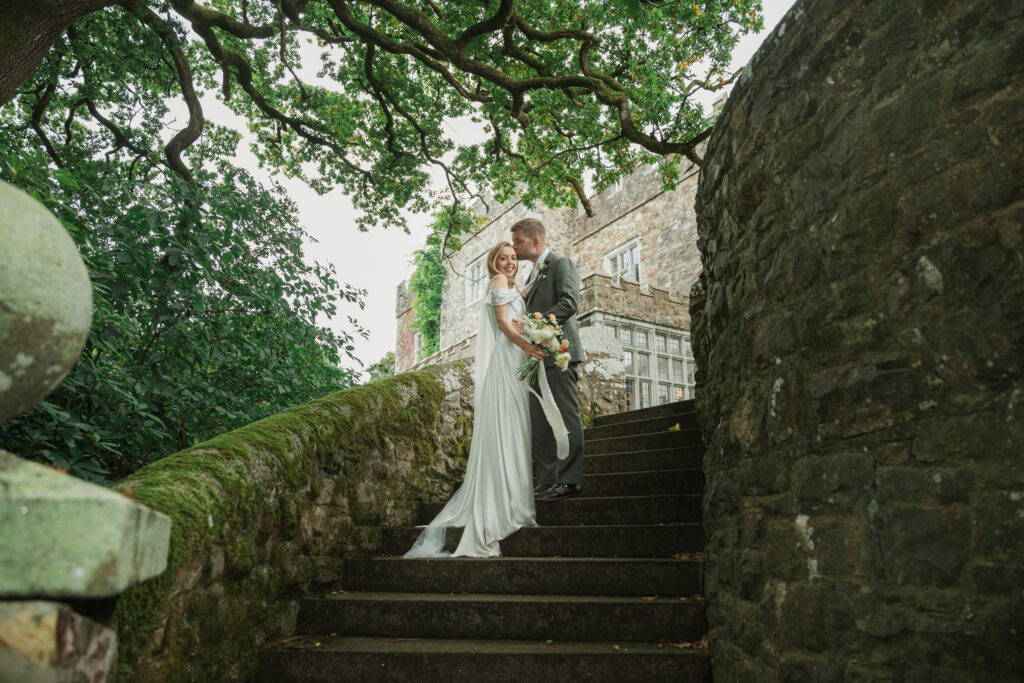
Let’s take our first step on the stairs! You can usually find a variety of standout staircases in large, historic venues, including grand, spiral, or split staircases. Grand and split staircases represent one of the most recognizable features of historic mansions. They make a great backdrop for open, symmetrical poses (you’ll find them highlighted again in our section on symmetry below), and they’re great for grabbing your viewers’ attention in general.
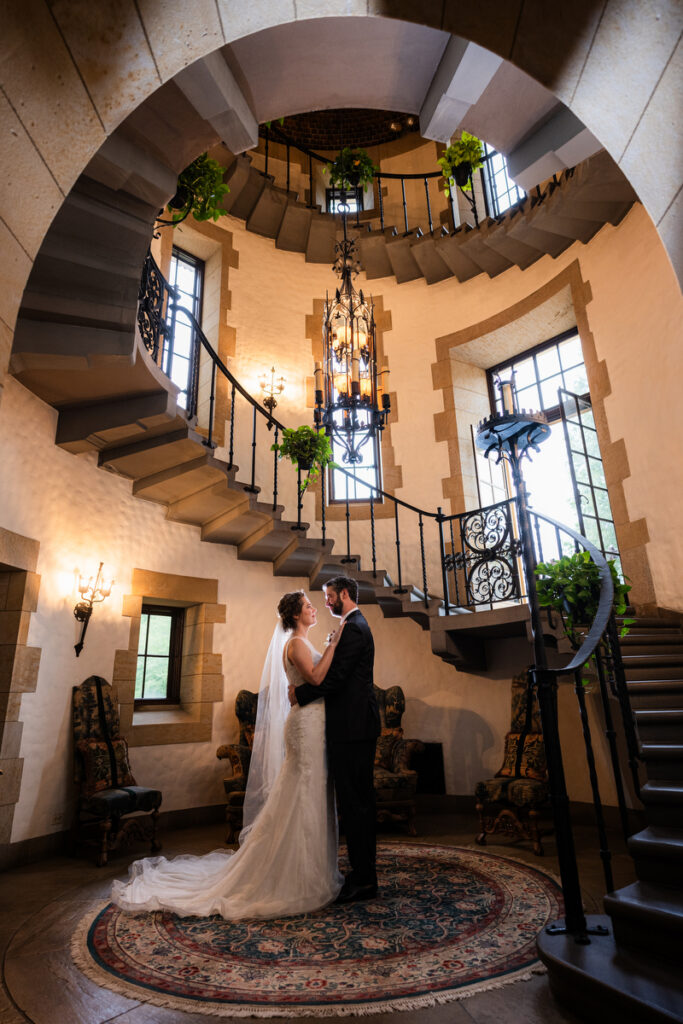
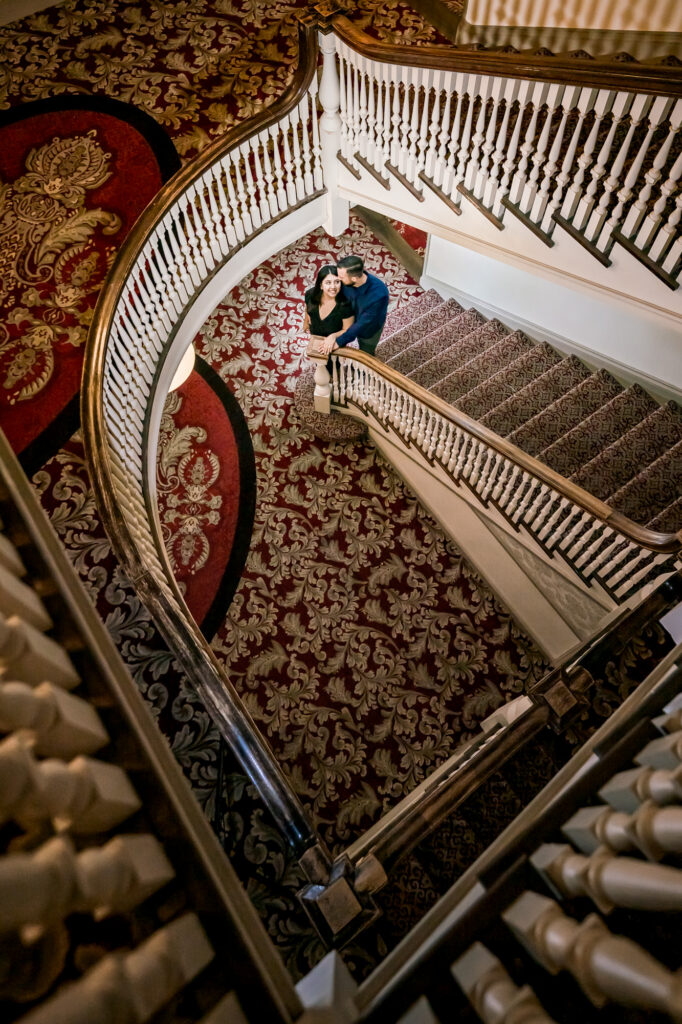
Spiral staircases work beautifully for top-down or low-angle shots that take advantage of architectural patterns to draw attention to the couple while also highlighting the scenery.
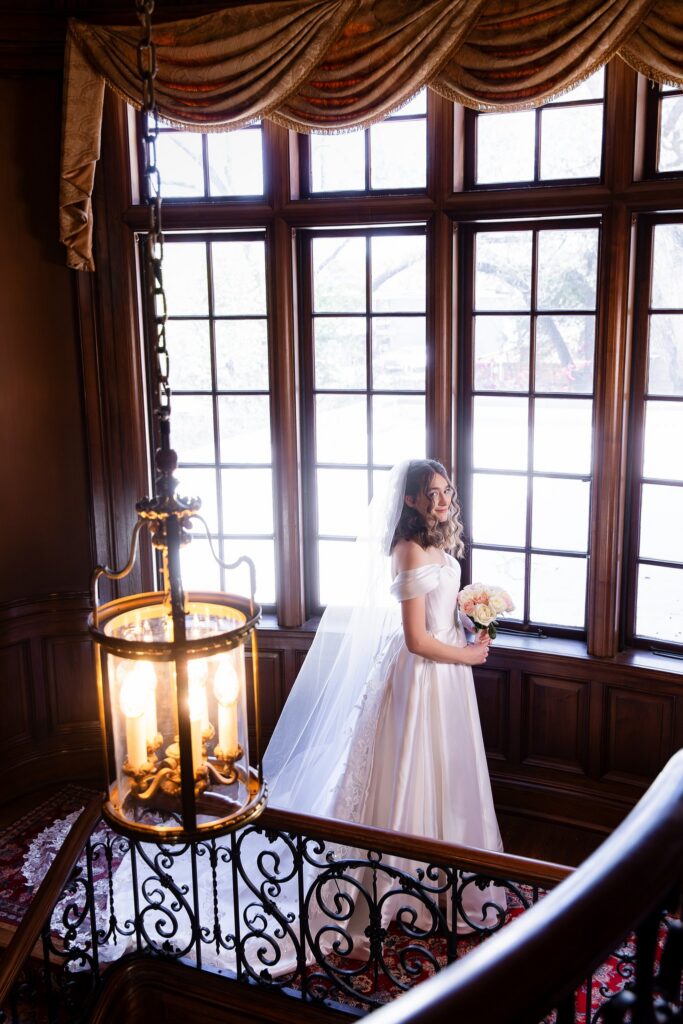
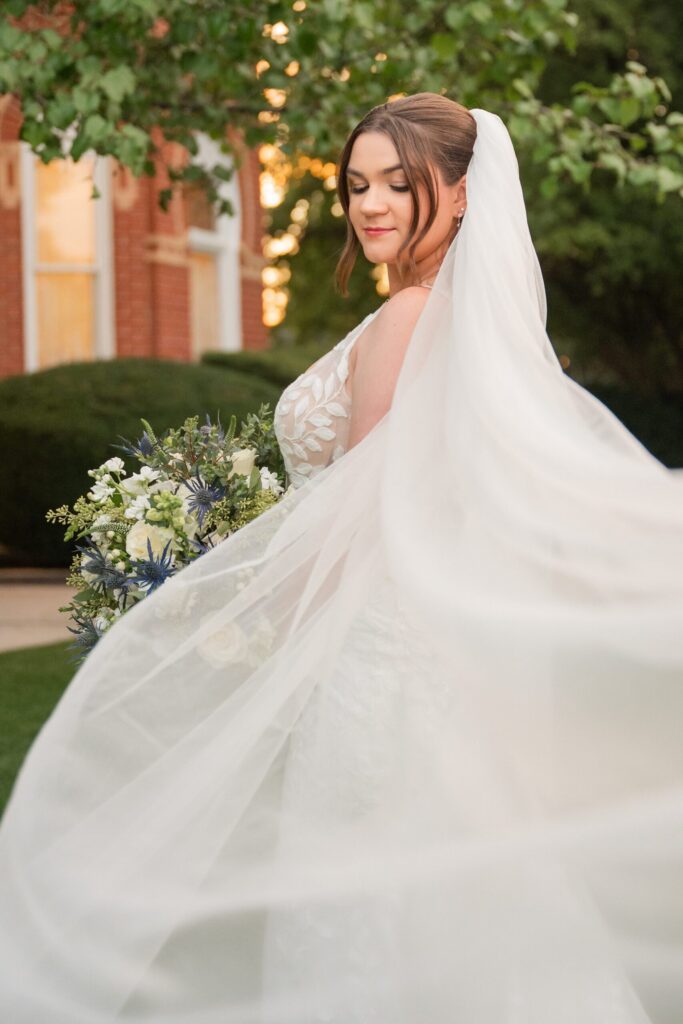
And let’s not forget bridal portraits! Solo bridal portraits on stairs also benefit from natural leading lines, drawing attention to the dress, bouquet, or the bride herself.
2. Window-Lit Portraits with Depth and Contrast
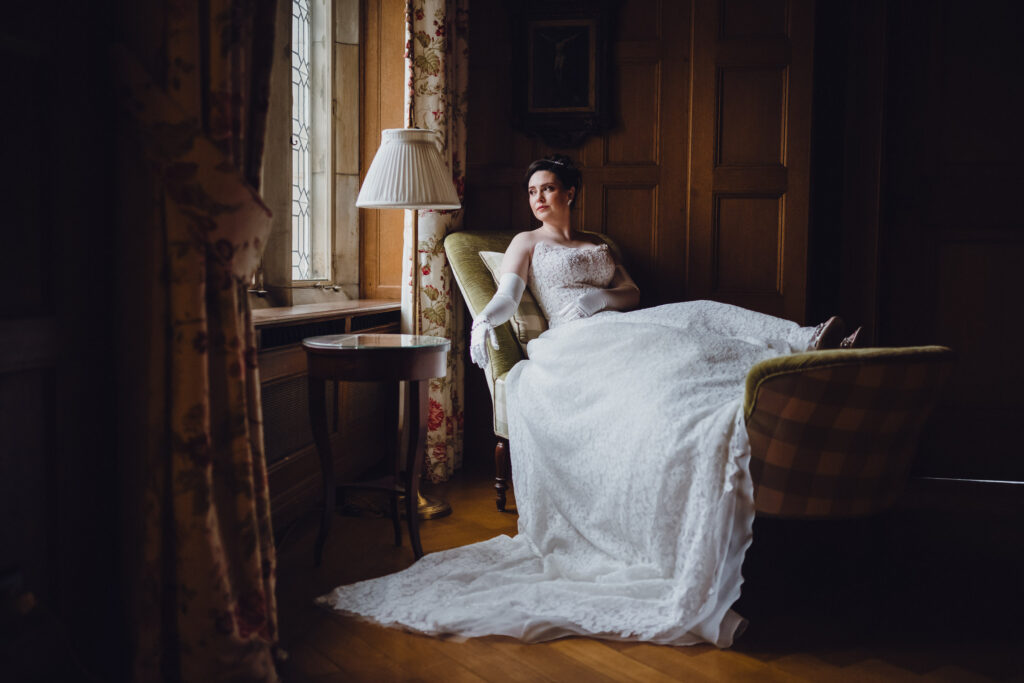
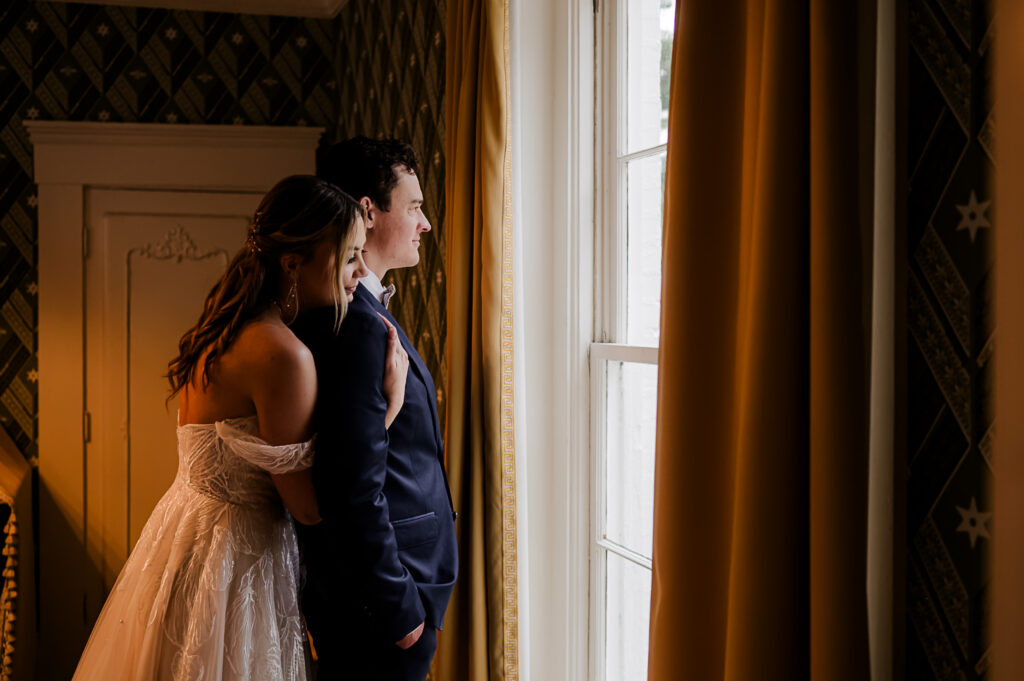
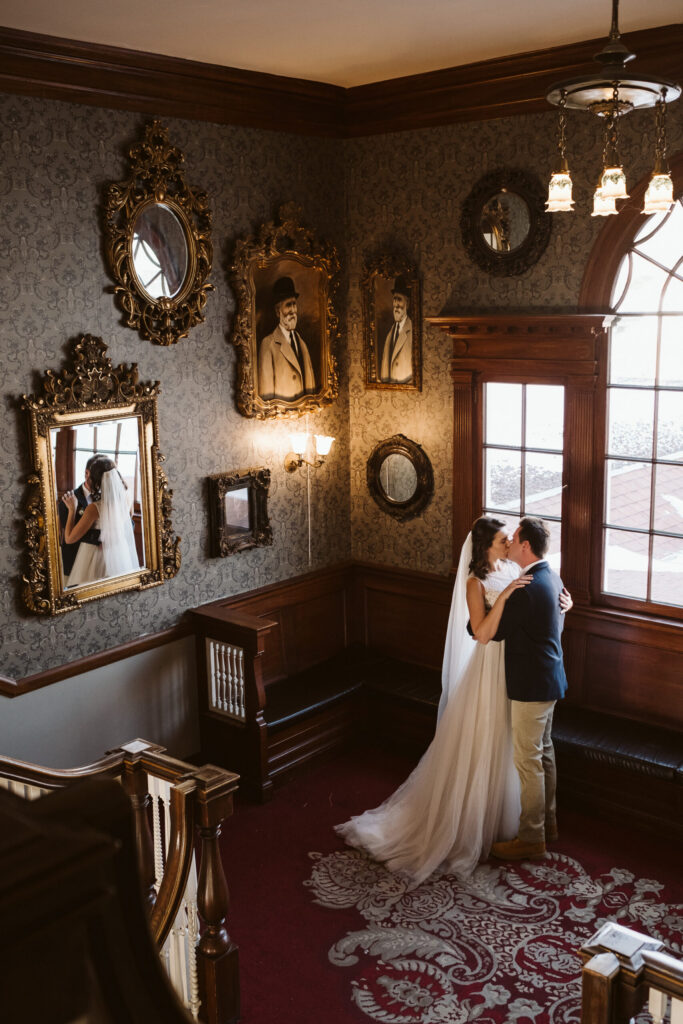
Large windows are a defining feature of historic venues, and you can use them to create soft, directional light that flatters both solo and couple portraits. Brides seated near windows or standing on stair landings often benefit from a mix of ambient light and subtle off-camera lighting. These images use the venue’s details to add texture rather than distraction.
3. Symmetry for Clean, Editorial Wedding Portraits
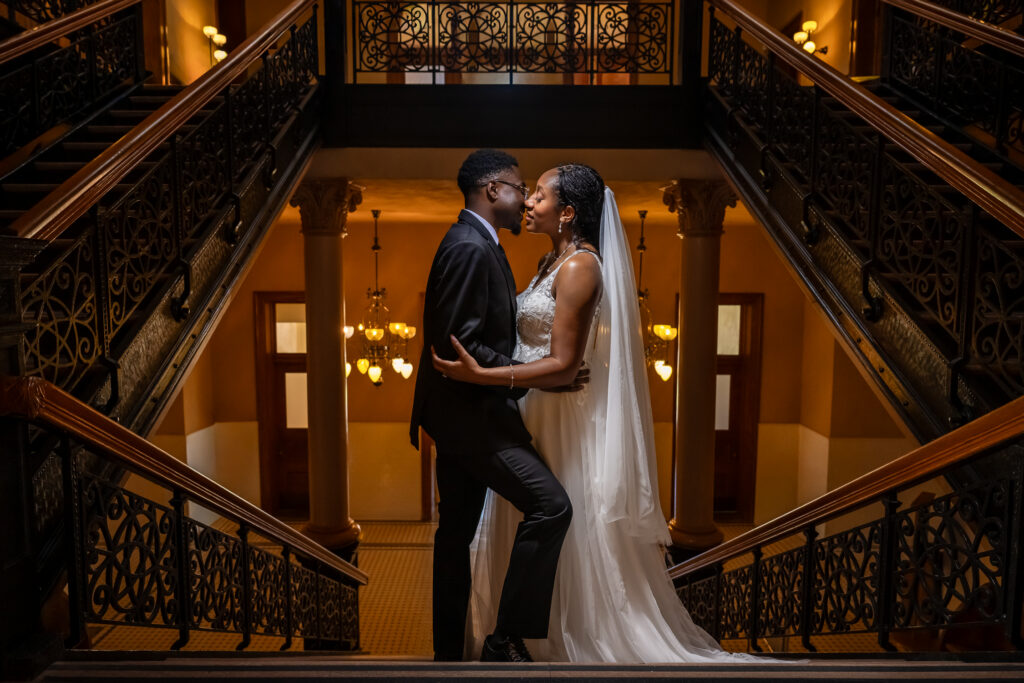
As we mentioned above, historic venues often have built-in symmetry, such as split staircases, framed doorways, or evenly spaced windows. Photographers can use this to create balanced, editorial-style wedding portraits.
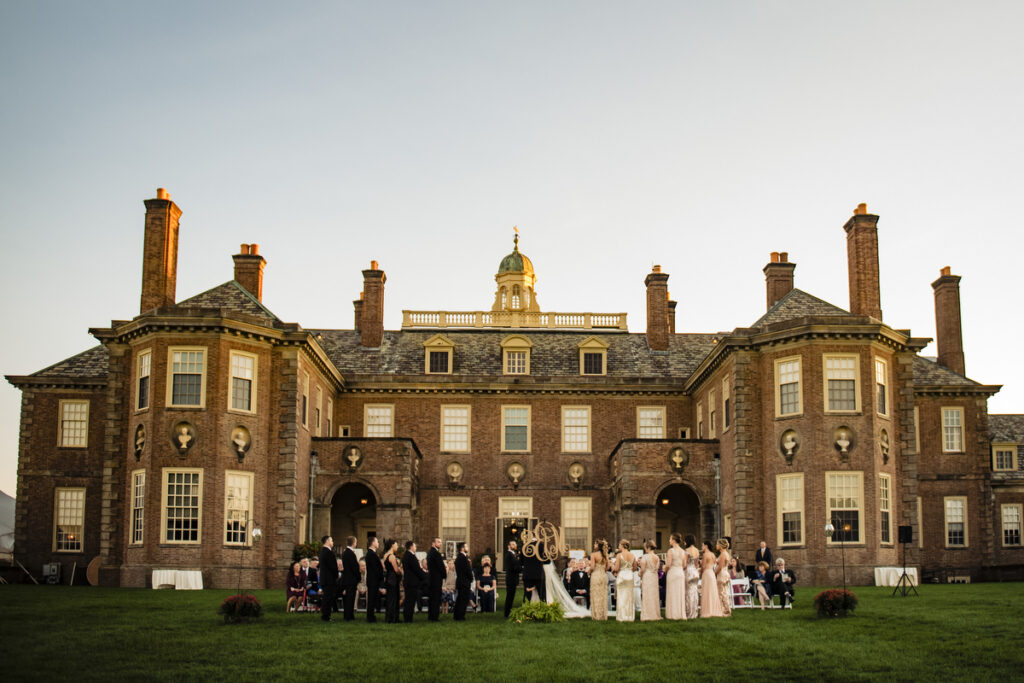
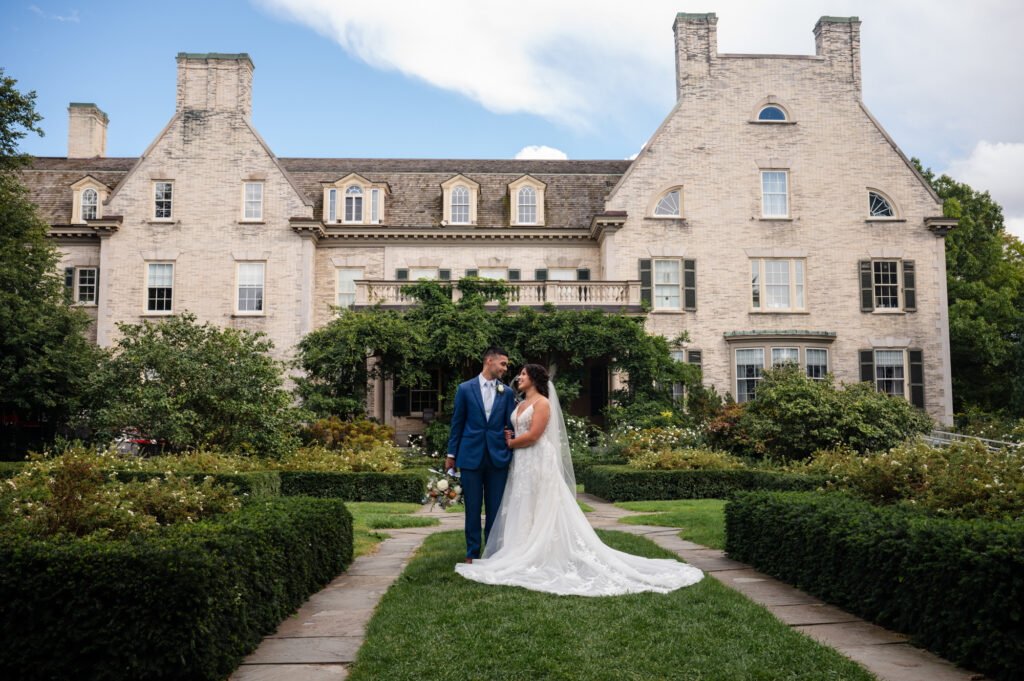
4. Outdoor Estate Portraits That Show Scale
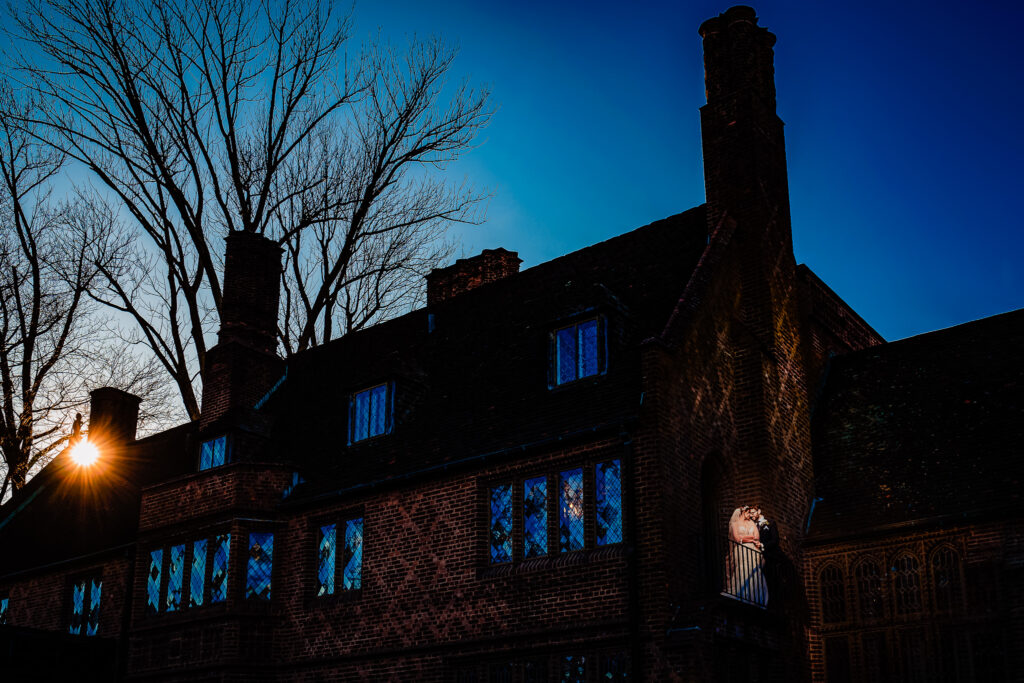
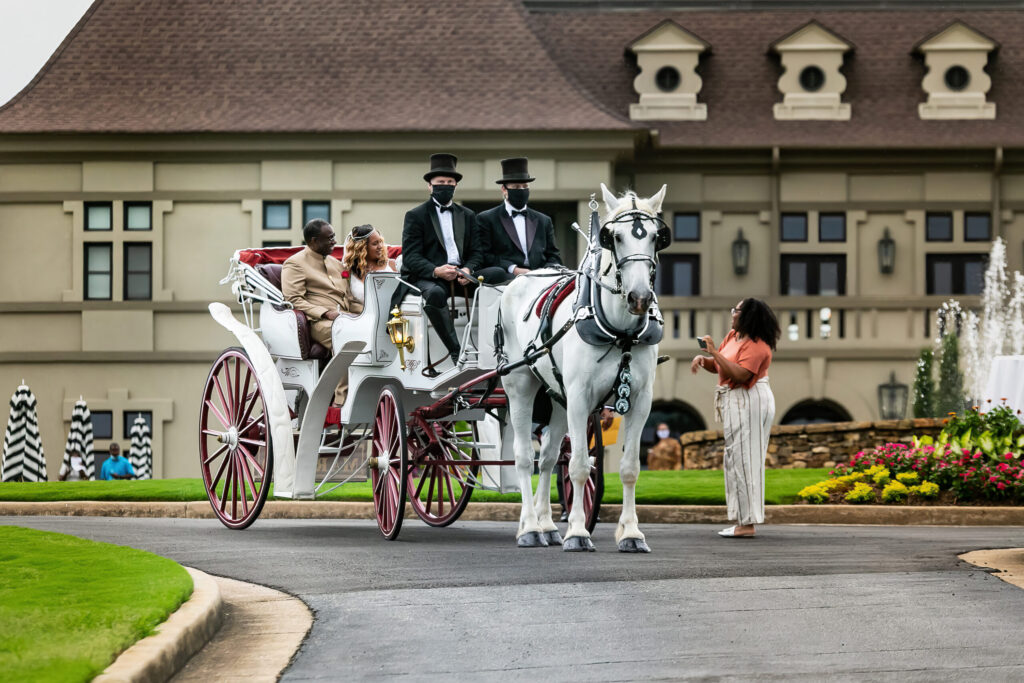
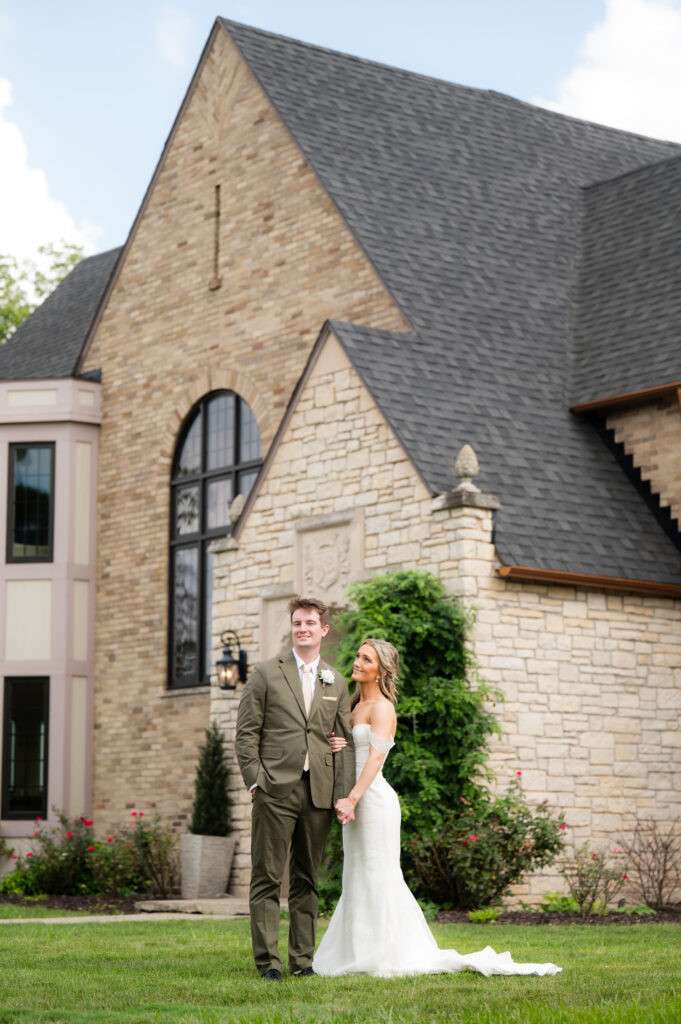
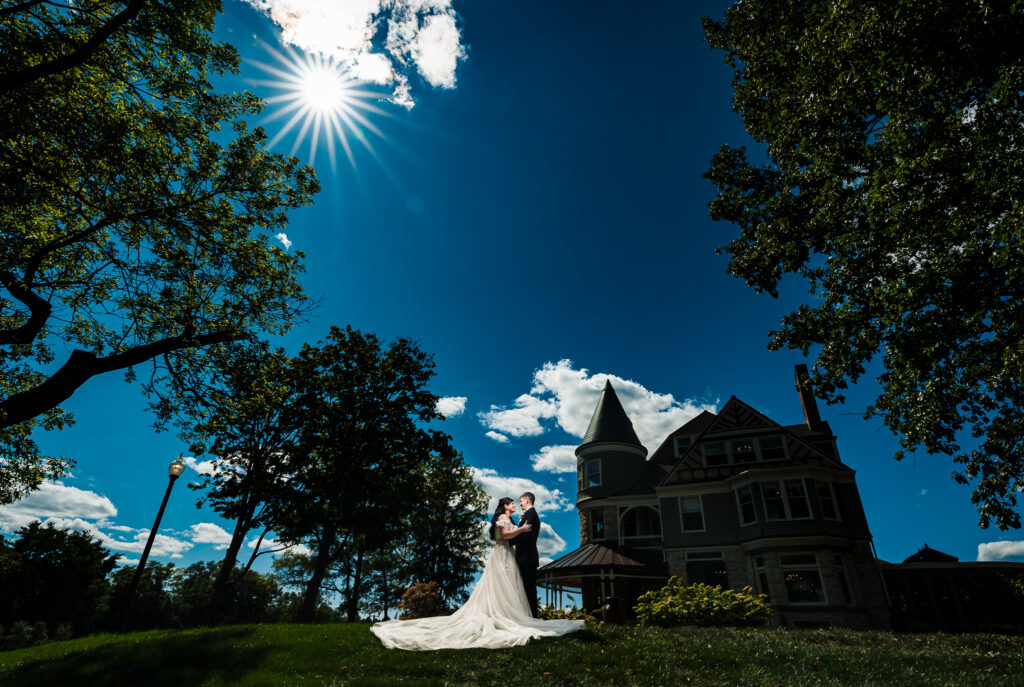
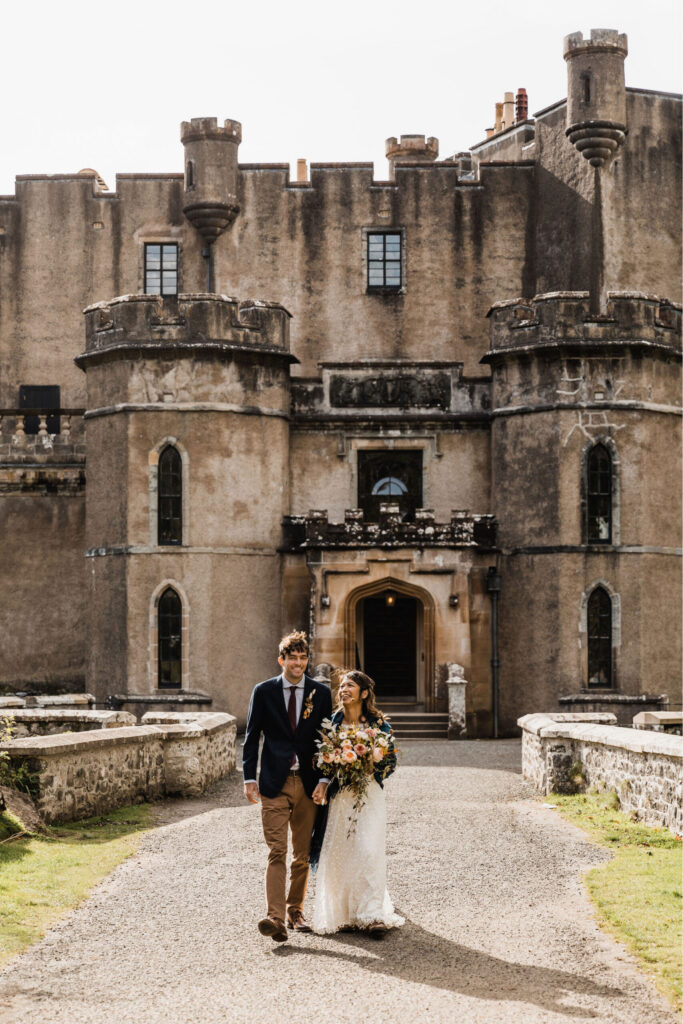
Wide outdoor shots are ideal for showing off the size and presence of historic venues. Couples walking toward the camera, standing on balconies, or framed by columns create portraits that feel cinematic without being overly formal.
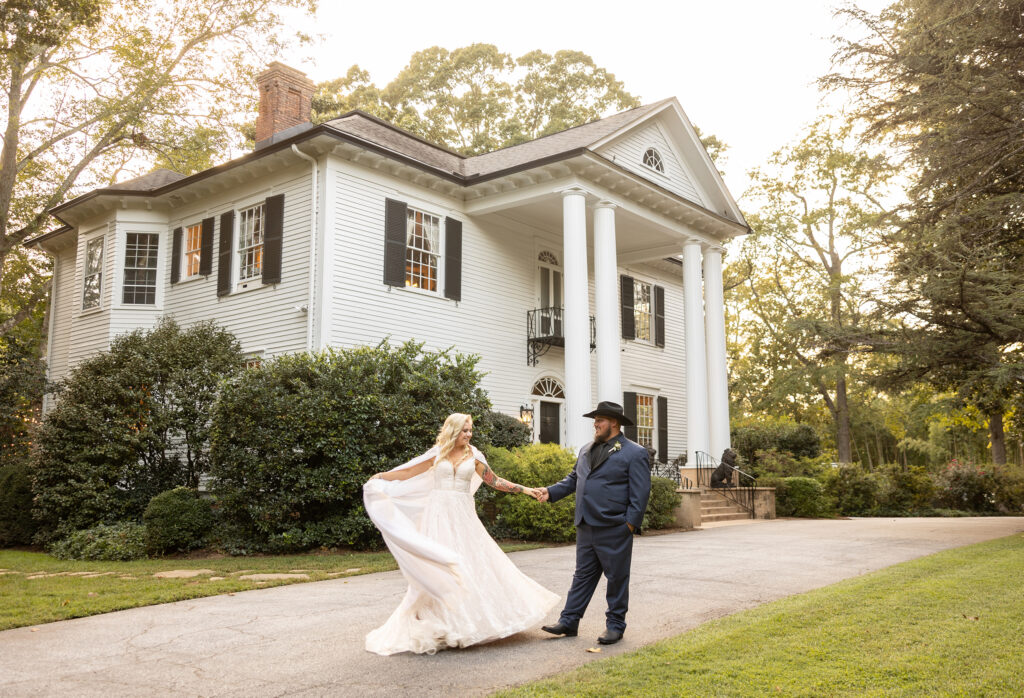
Even candid moments, like laughter or a quick twirl, gain impact when paired with a strong architectural backdrop.
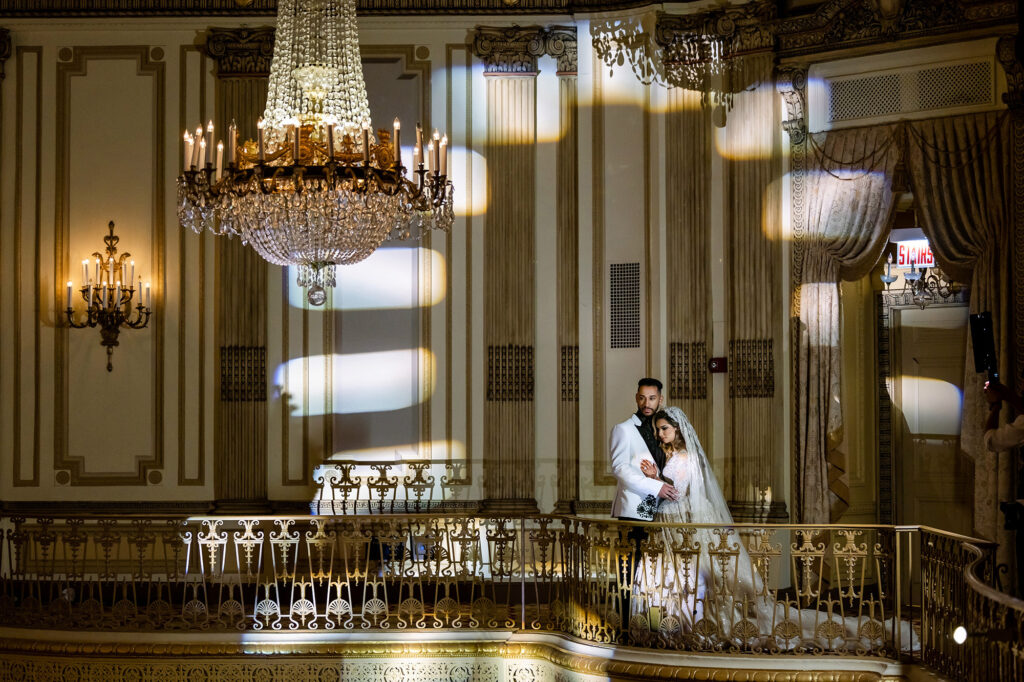
5. Candid Interactions That Feel Natural in Formal Spaces
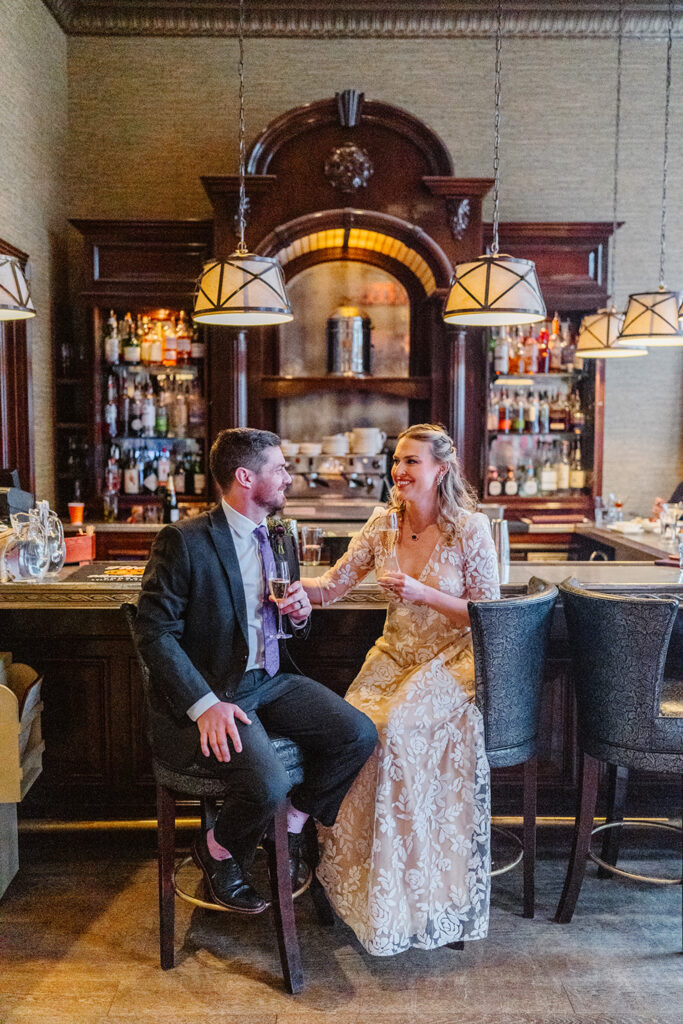
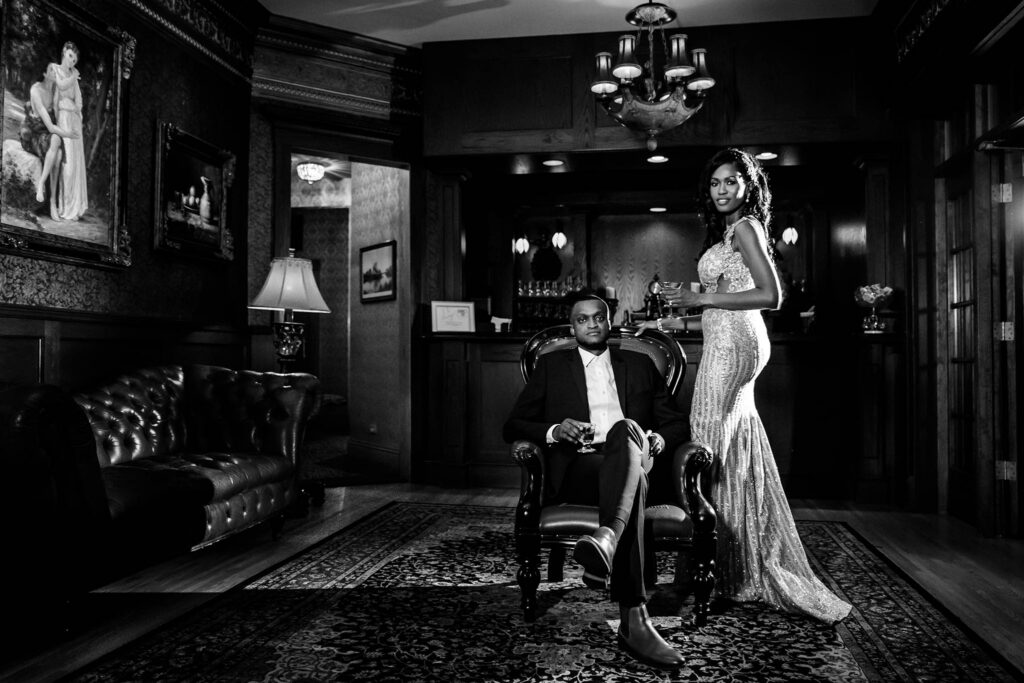
Historic venues can feel intimidating, but candid moments can soften the mood, regardless of the setting. Laughing on a balcony, sharing a drink at an old bar, or hugging near a window brings warmth into structured spaces. These moments balance the formality of the setting and often become favorite images because they feel genuine and unforced.
6. Bridal Portraits That Highlight Fashion and Detail
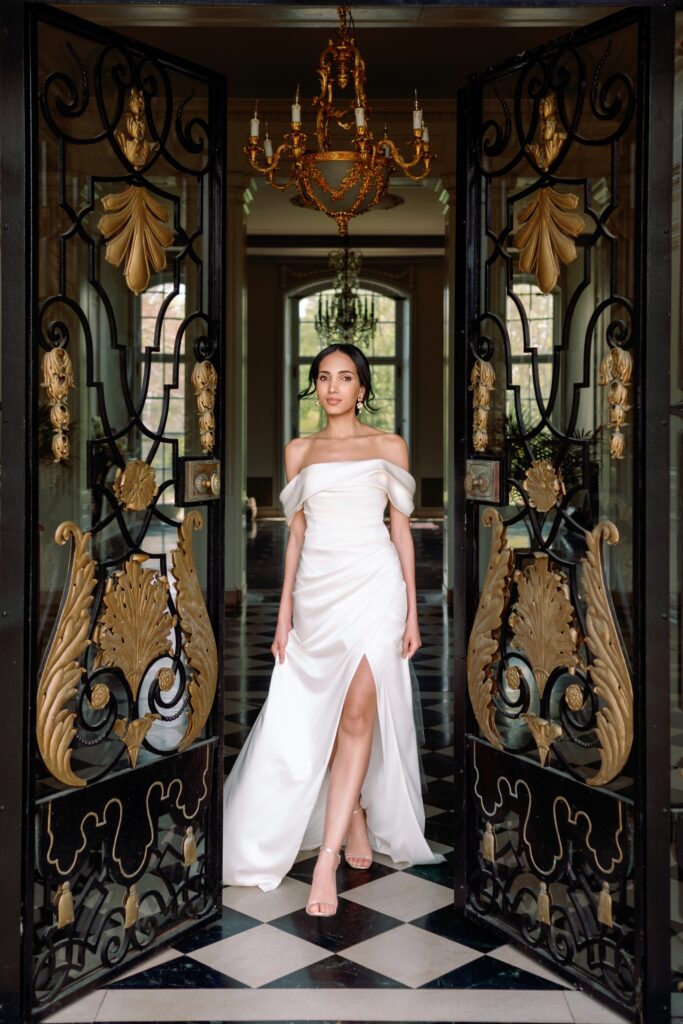
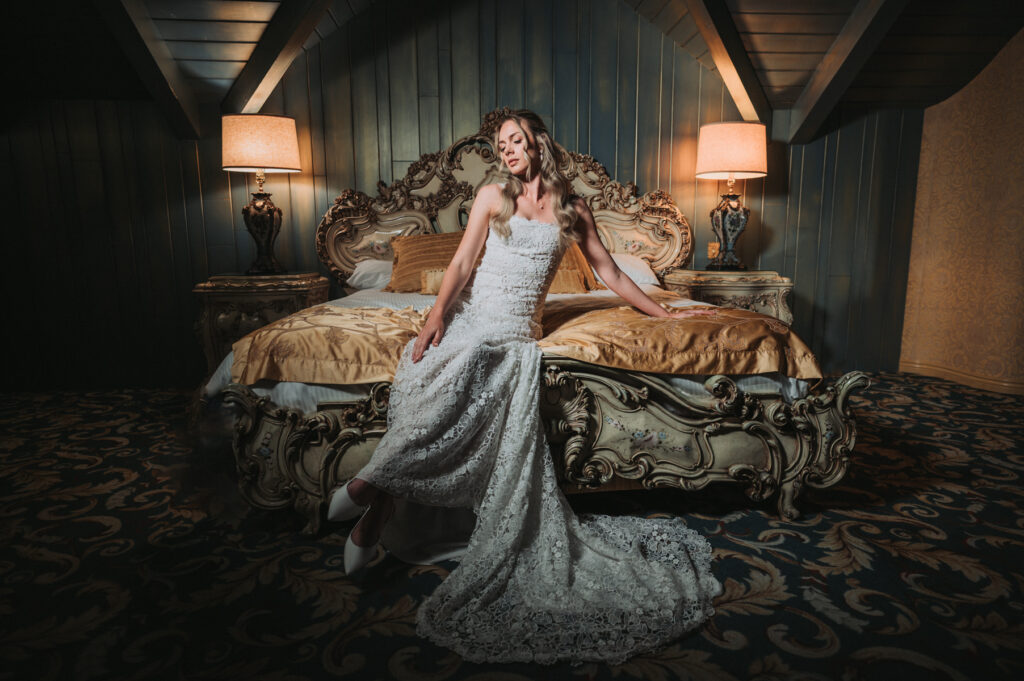
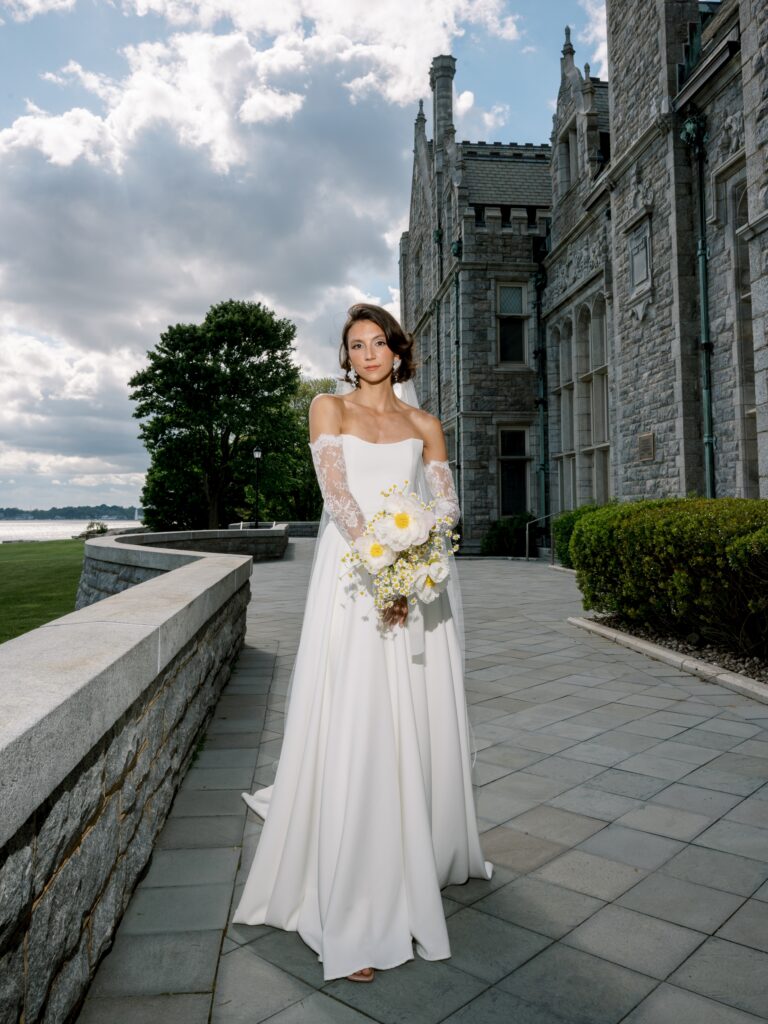
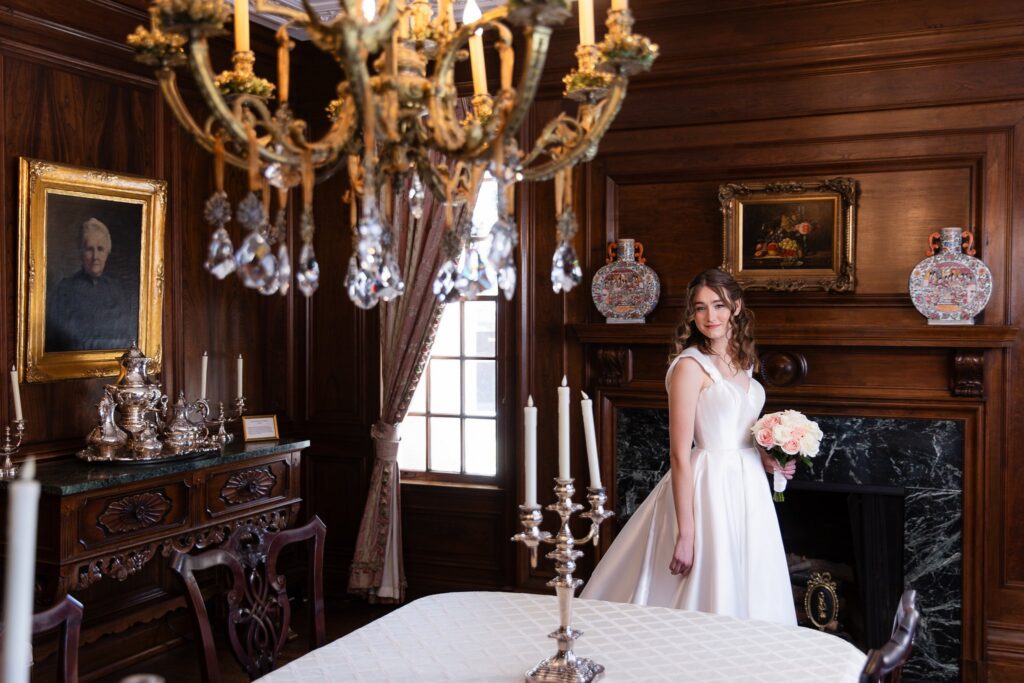
Historic mansions are ideal for solo bridal portraits that emphasize design and detail. Doorways naturally frame a gown, staircases showcase a dress train, and dining rooms or corridors add visual interest without competing with the subject. These portraits are especially helpful if you want artwork-worthy images that stand on their own.
7. Ceremony and Reception Images That Tell the Full Story
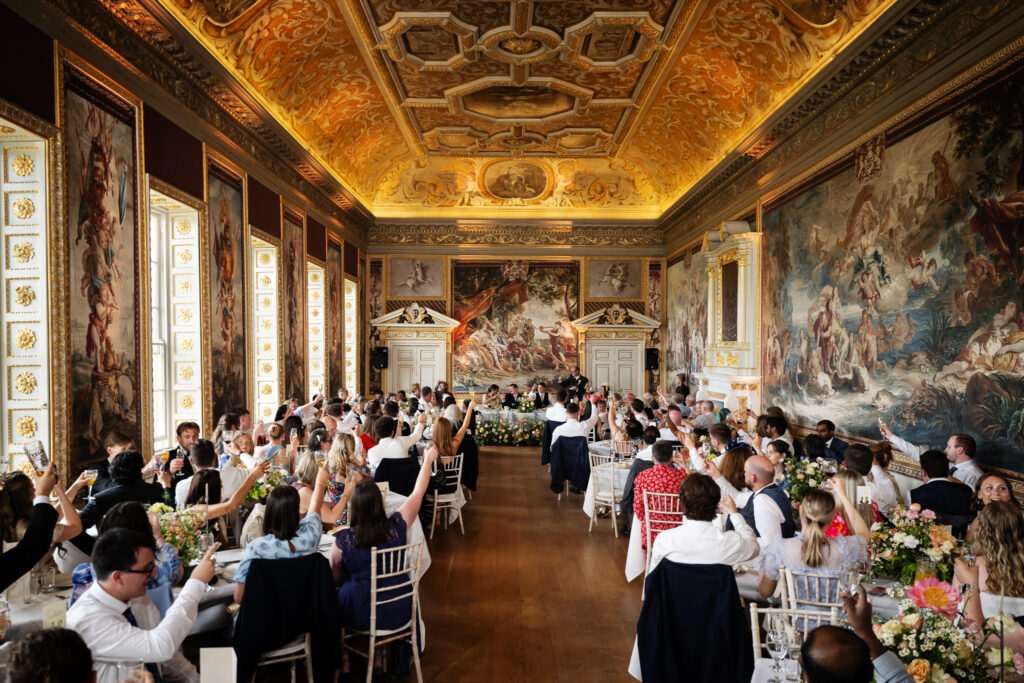
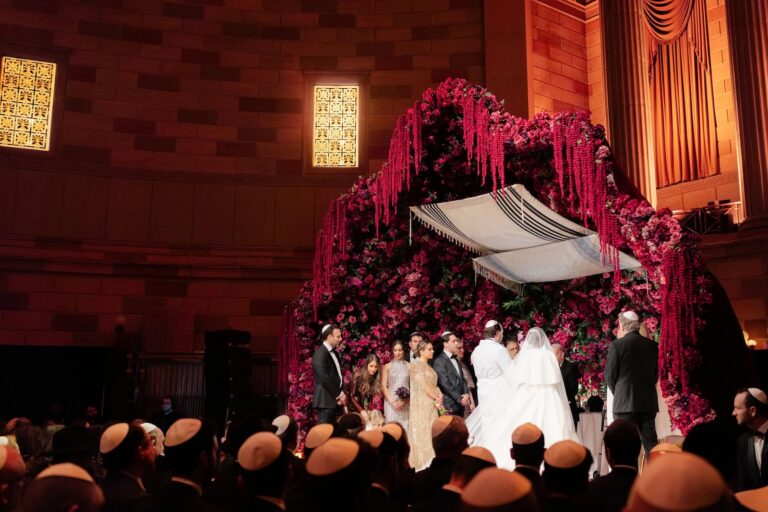
Wide environmental shots during the ceremony or reception capture more than just faces; they document the atmosphere. Guests raising glasses in a ballroom, rows of decorated tables, or a ceremony framed by the building itself help preserve how the day actually felt. These images pair beautifully with close-up portraits in albums.
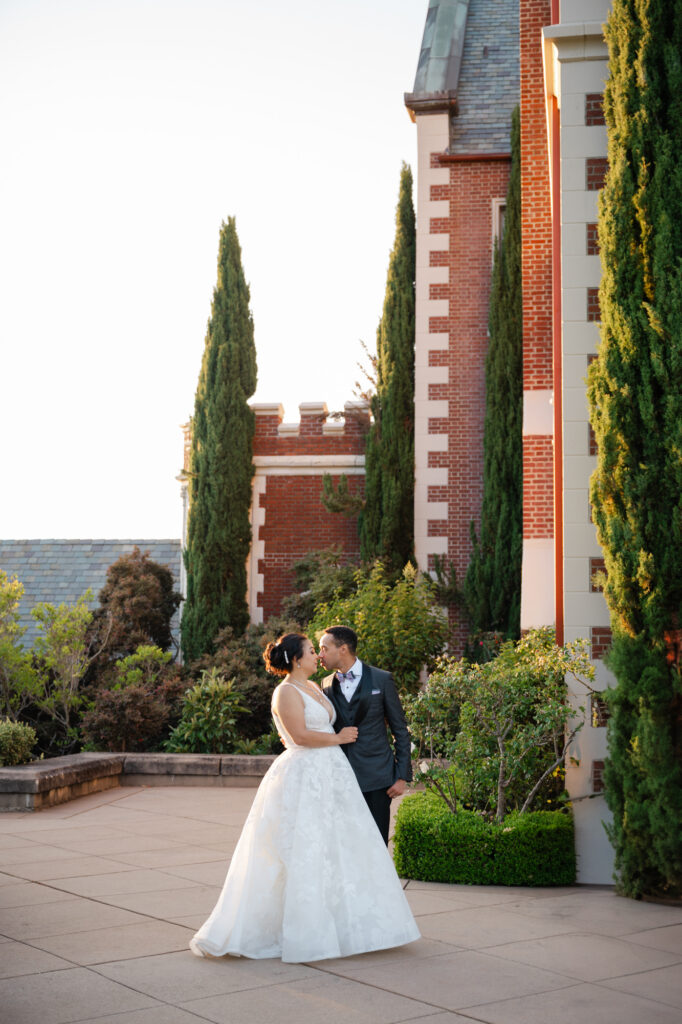
8. Evening and Night Portraits for a Dramatic Finish
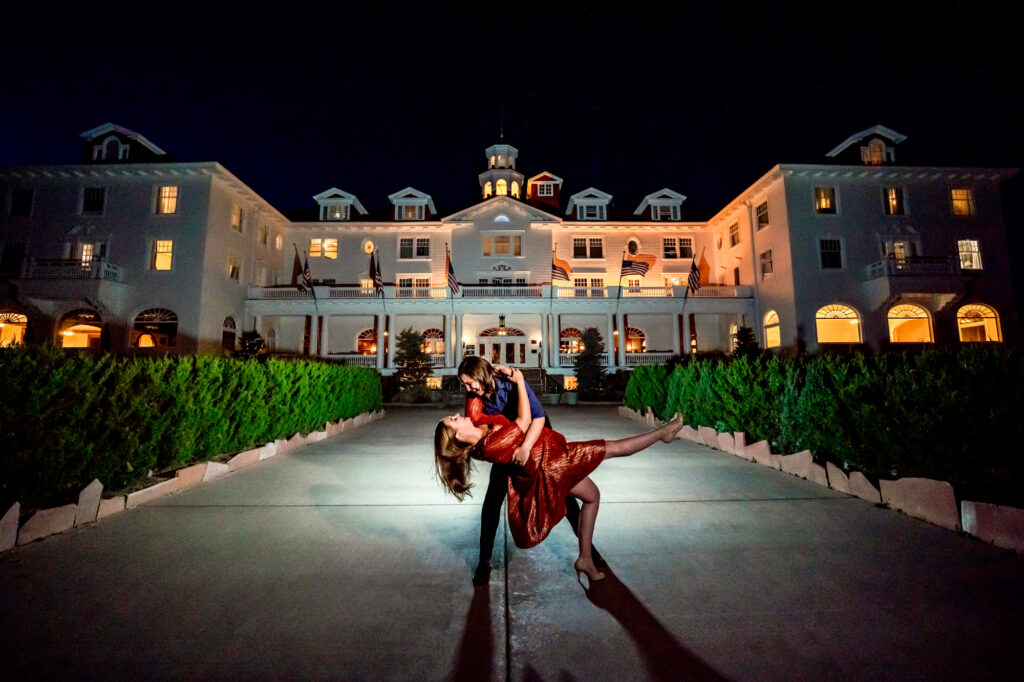
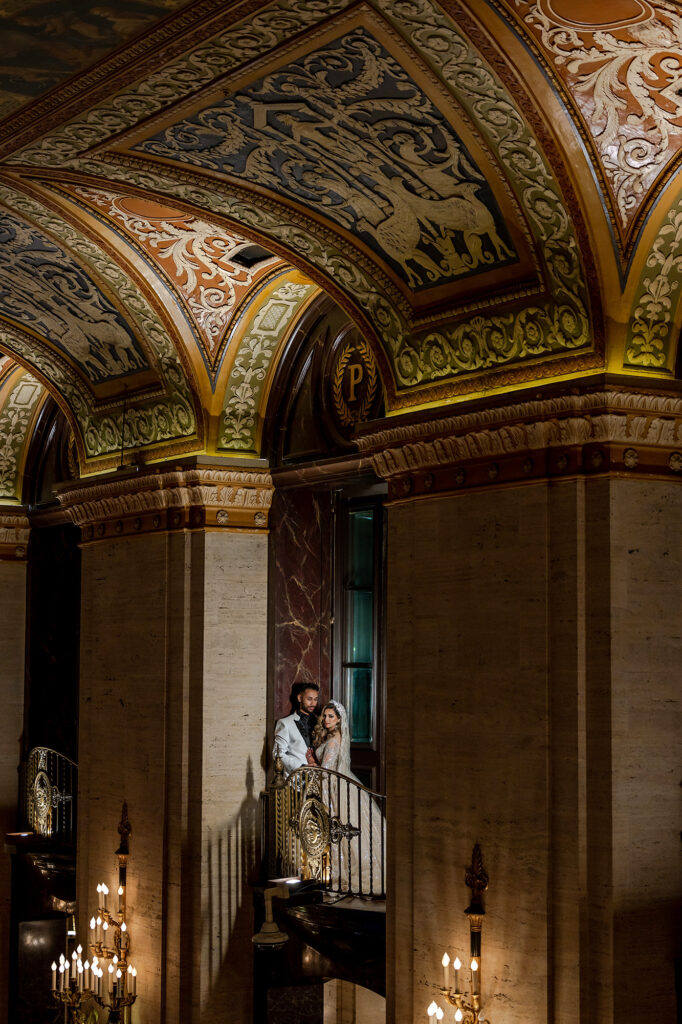
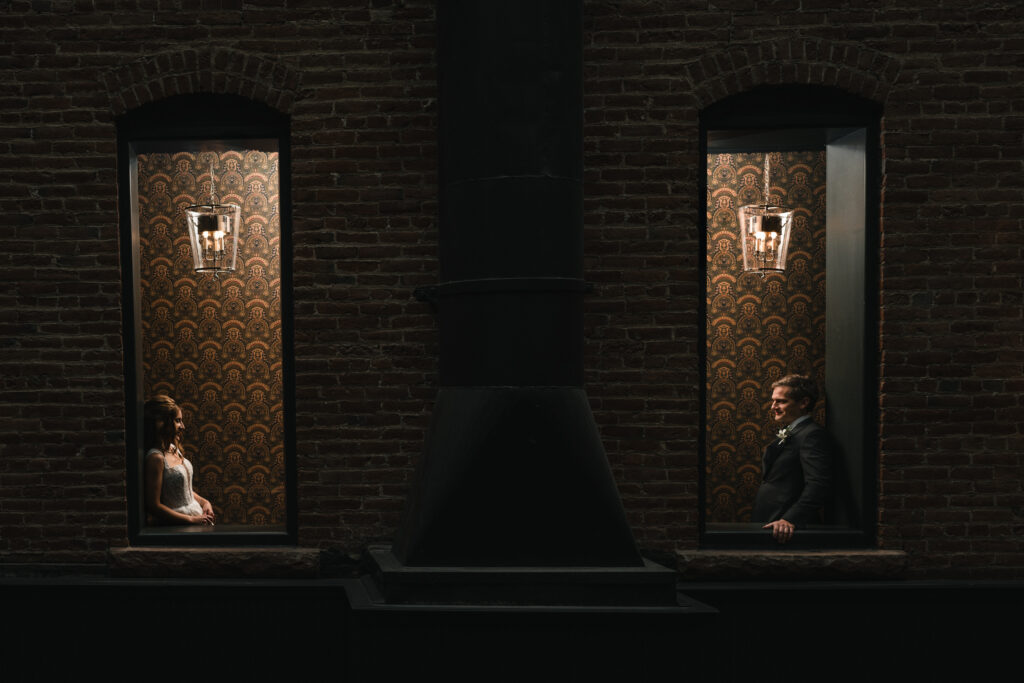
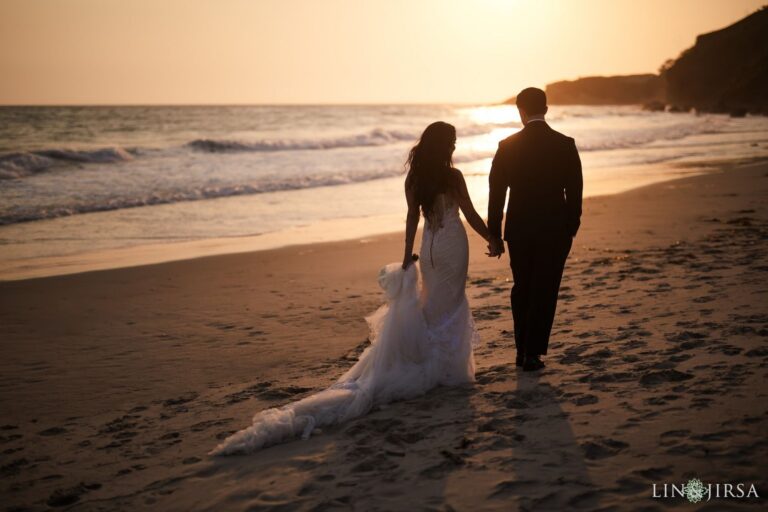
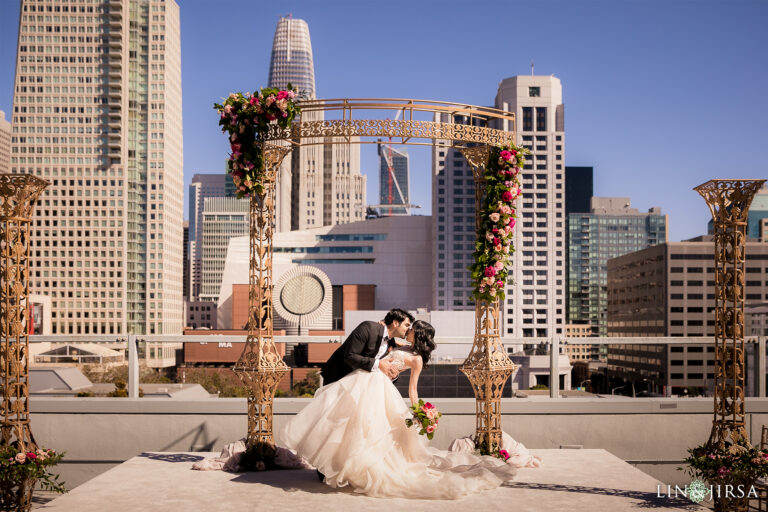
Historic venues take on a different personality after dark. Night portraits using controlled lighting can highlight stone facades, archways, or staircases while keeping the couple as the focal point. Dips, kisses, or quiet moments under evening light often feel more cinematic and provide a strong contrast to daytime portraits.
Final Thoughts
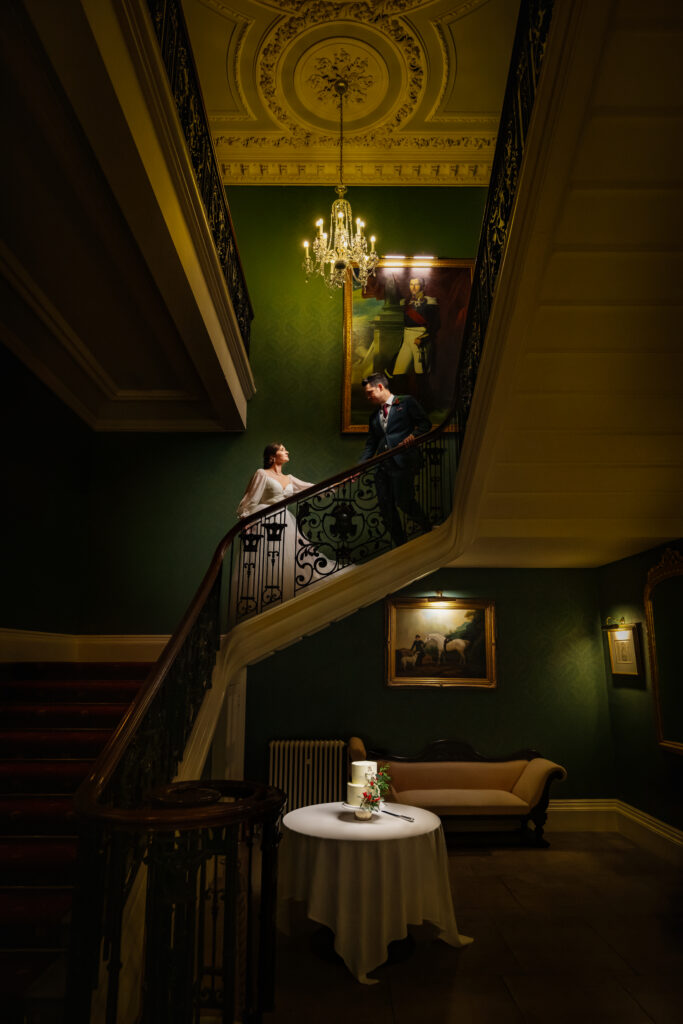
Historic mansions and historic venues naturally elevate wedding portraits by offering character, scale, and versatility. When planning your photo list, think about how you can use staircases, windows, outdoor facades, and reception spaces to tell a complete story of your day. Save the images that resonate with you, share them with your photographer, and consider reaching out to the Wedding Maps photographers featured here who already know how to bring these settings to life.
Here are some additional photos for your inspiration: