Why Blurry Photos Are Becoming Some of the Most Memorable Wedding Portraits
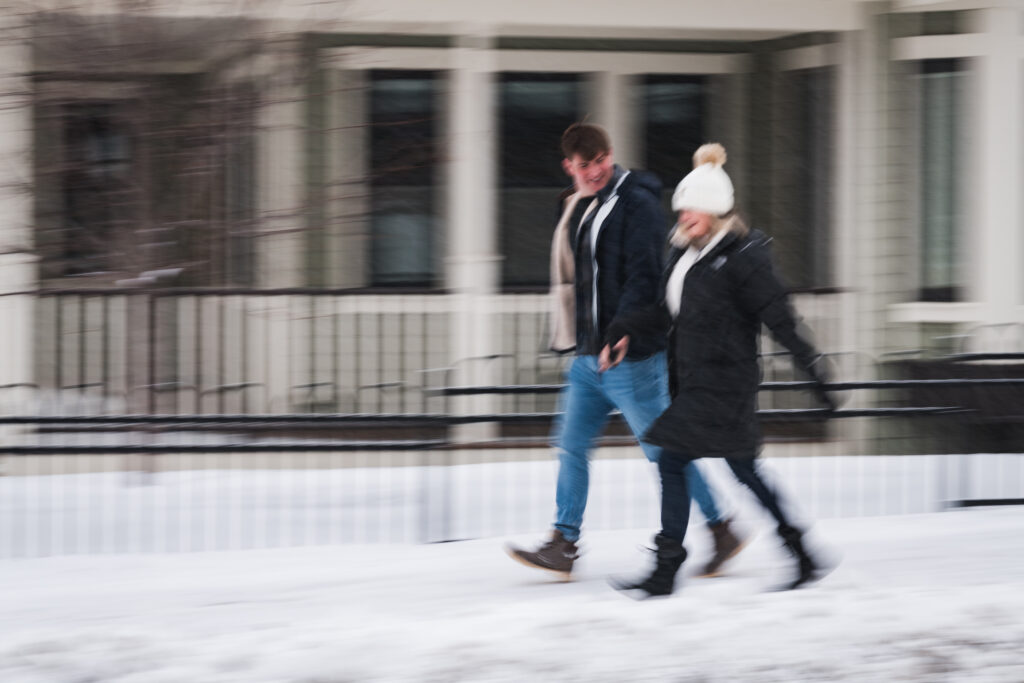
For years, wedding photography focused heavily on crisp, perfectly posed images. But lately, more couples are gravitating toward something a little less polished and a lot more alive. Enter the rise of intentionally blurry photos: wedding portraits that use motion, long exposure, camera shake, or soft focus to capture movement and emotion in a more artistic way.
These images aren’t about technical perfection. They’re about energy, atmosphere, and creating photographs that feel like real memories unfolding in real time. Whether subtle or dramatic, blur can add motion, mood, and storytelling to your wedding gallery in ways traditional portraits often can’t.
Below are some creative ways couples are embracing blurry wedding portraits on their wedding day.
All of the images in this article are provided by the photographers at Wedding Maps and used with permission. Featured image by PMC Photography.
1. The Just-Married Walkaway
There’s a reason photographers love shooting immediately after the recessional. The energy is real, the movement is natural, and there’s no need to over-direct. A slightly blurred walkaway shot, especially in black and white, captures that “we actually did it” feeling in a way that feels spontaneous rather than posed.
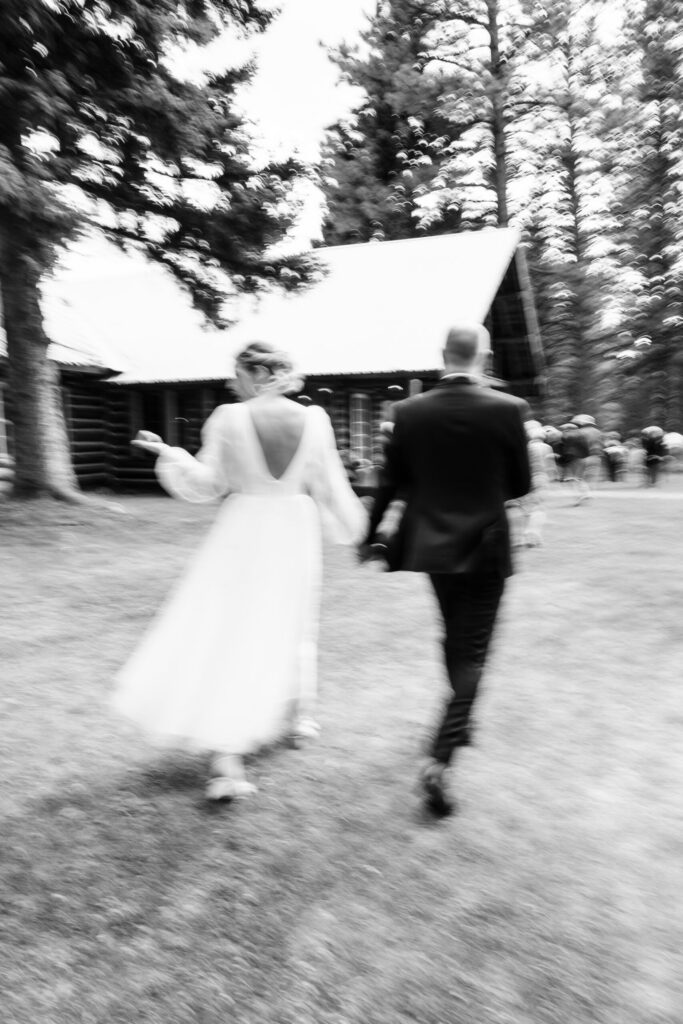
These work especially well when the venue, guests, or architecture remain visible in the background, giving the image context and scale.
2. One Person Moving, One Person Still
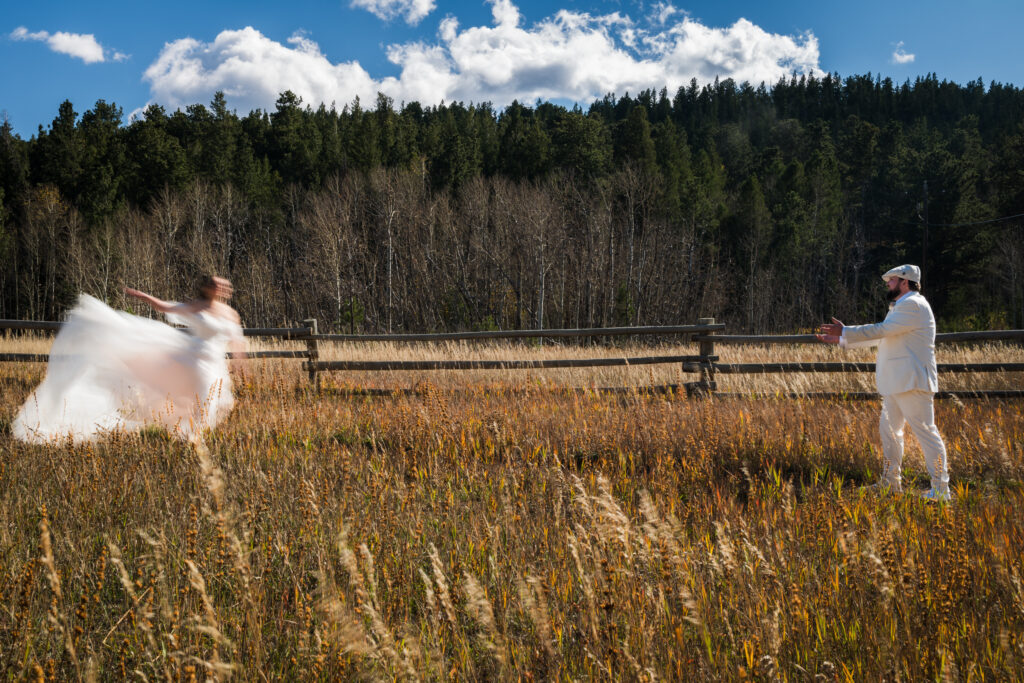
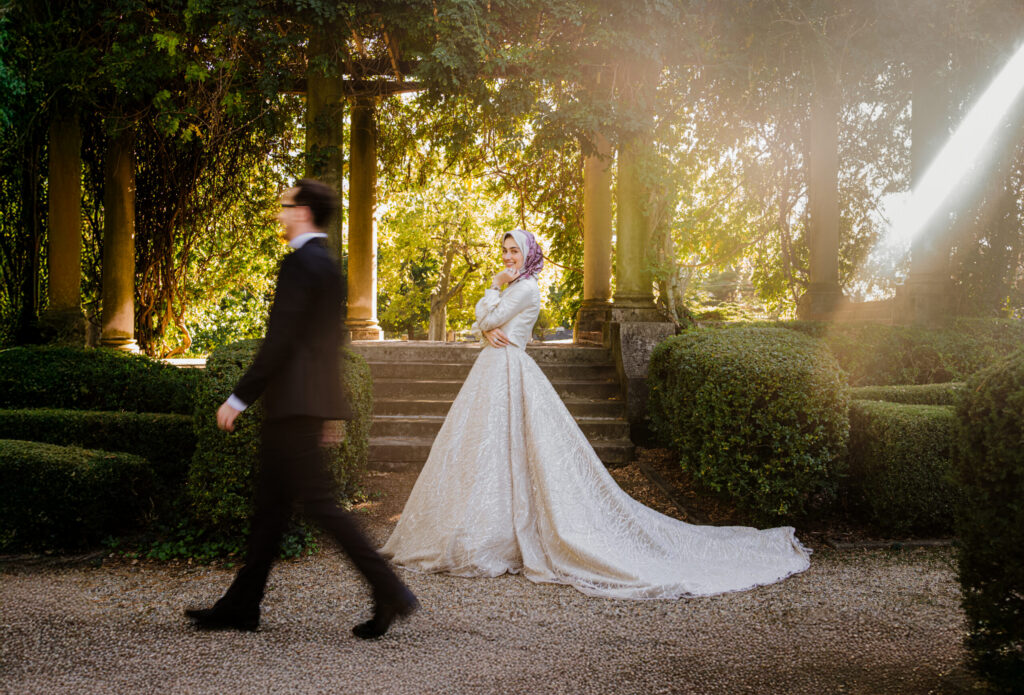
One of the most visually striking uses of blur is contrasting motion against stillness. Think of a bride running toward her partner while he stays planted in the frame, arms open and waiting. The blur emphasizes movement and anticipation while keeping the emotional focal point grounded.
This style works beautifully in open spaces where the distance between subjects becomes part of the composition.
3. Motion by the Ocean Beach Portraits
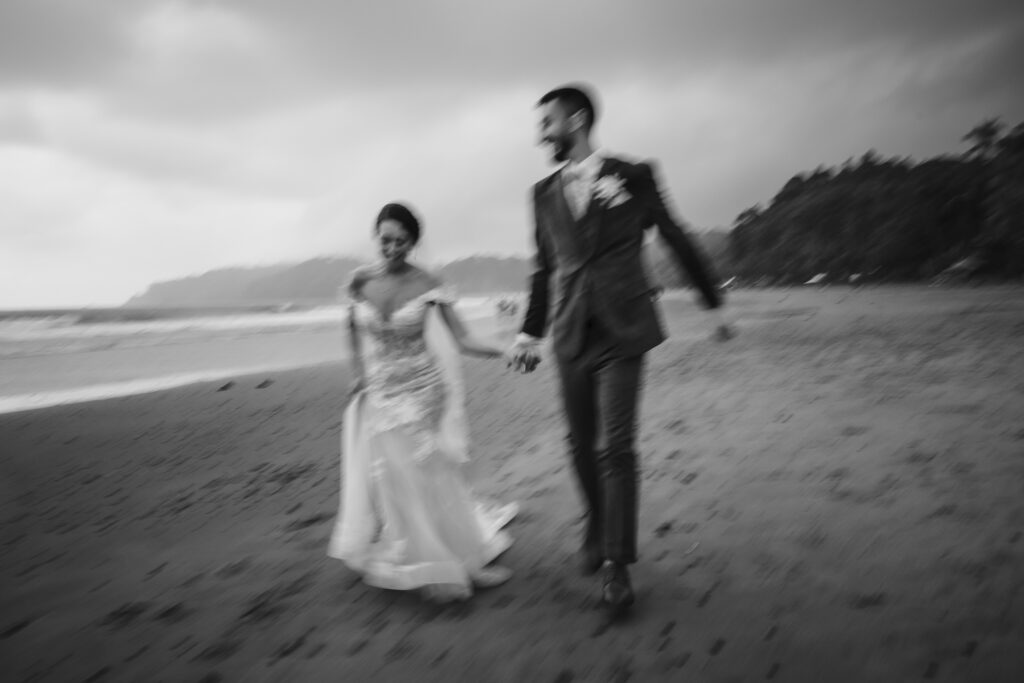
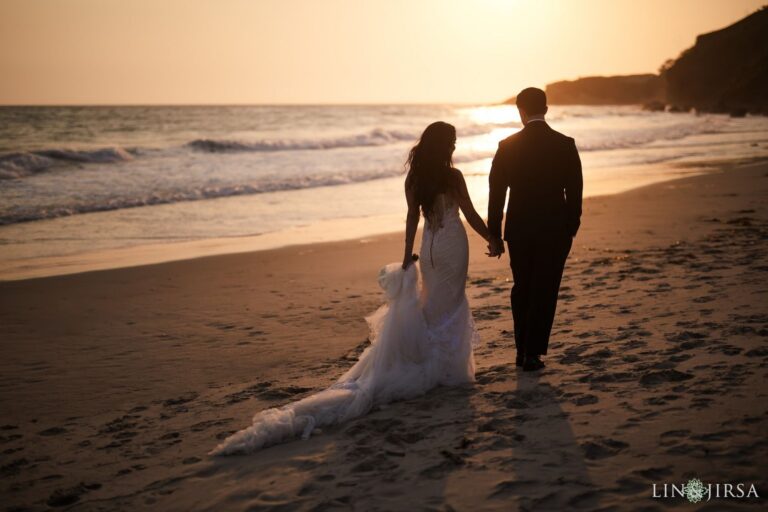
Beaches naturally lend themselves to movement. Walking barefoot through the surf, running toward the camera, or simply pulling each other along the shoreline creates opportunities for wedding portraits that feel candid and cinematic at the same time.
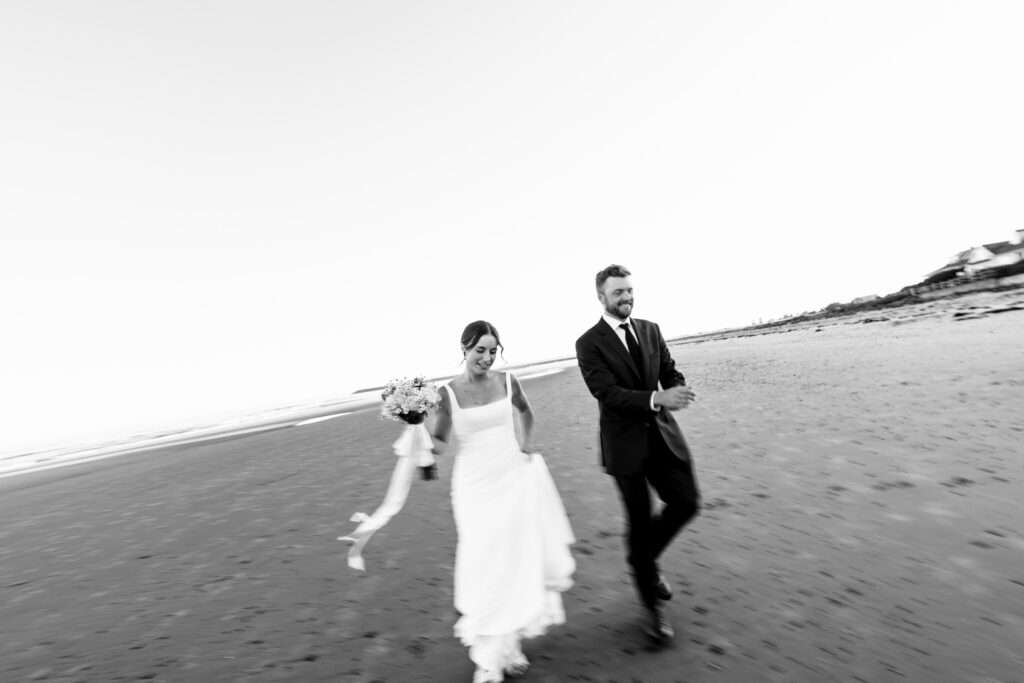
A little motion blur in the couple, the waves, or both helps the image feel less posed and more experiential, like a memory instead of a photoshoot.
4. Dance Floor Blur During the Reception
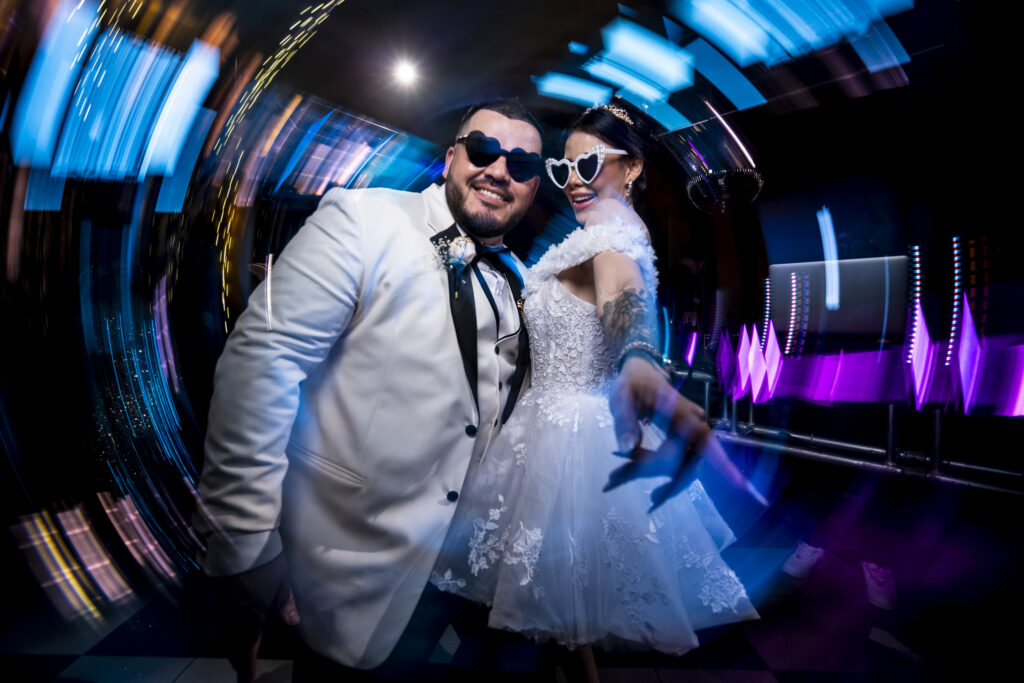
Reception photos are one of the best places to lean into blur creatively. Techniques like whip pans and long exposures can turn string lights, DJ lighting, and crowded dance floors into energetic streaks of color and movement.
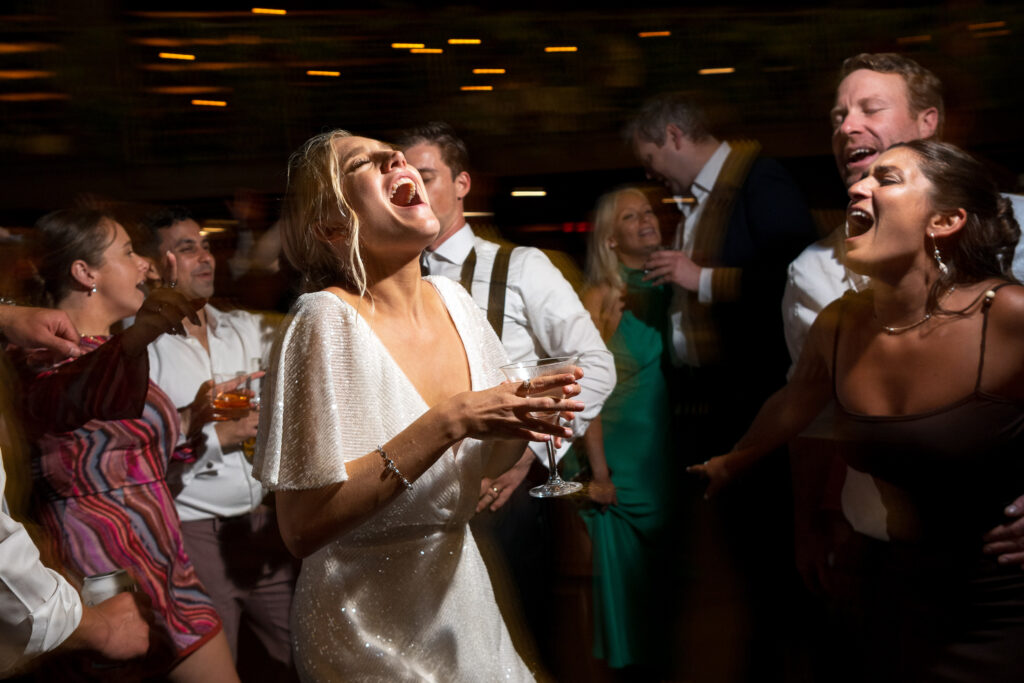
These blurry photos tend to feel immersive because they capture the pace and chaos of the moment instead of freezing it completely. They’re especially effective during packed dance floors, singalongs, or late-night dancing when the energy peaks.
5. Long Exposure With the Couple Standing Still
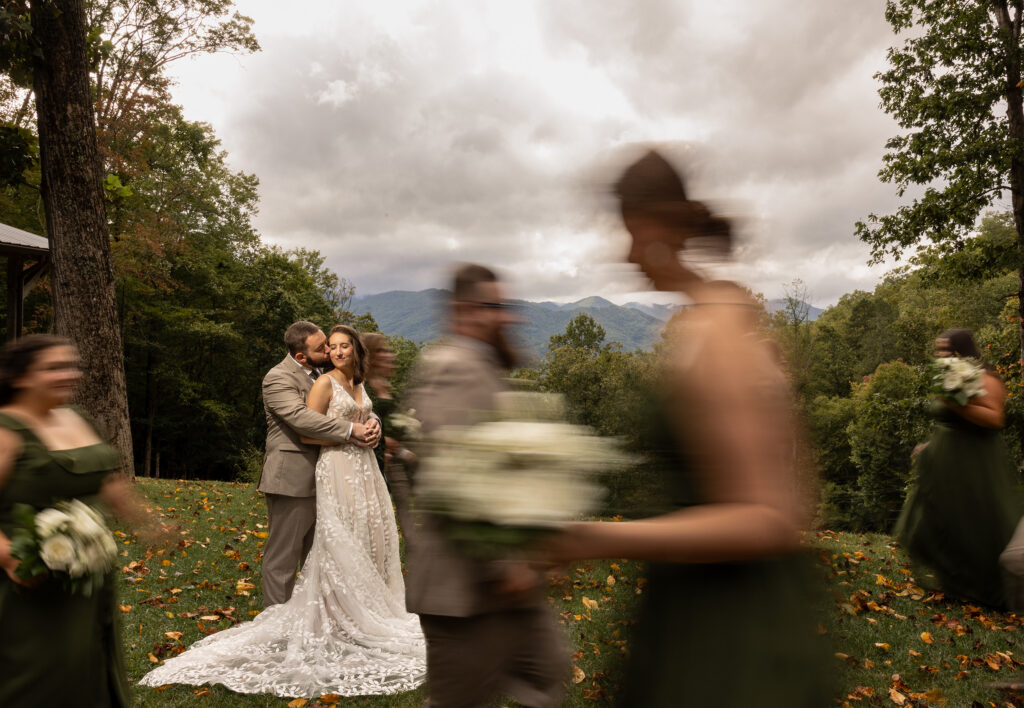
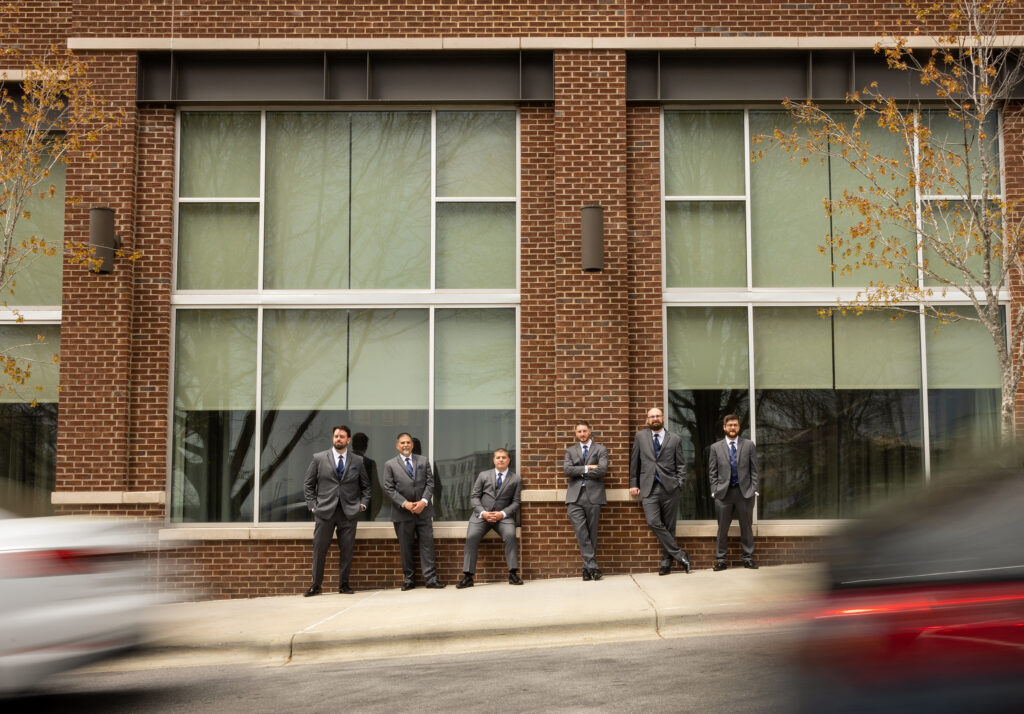
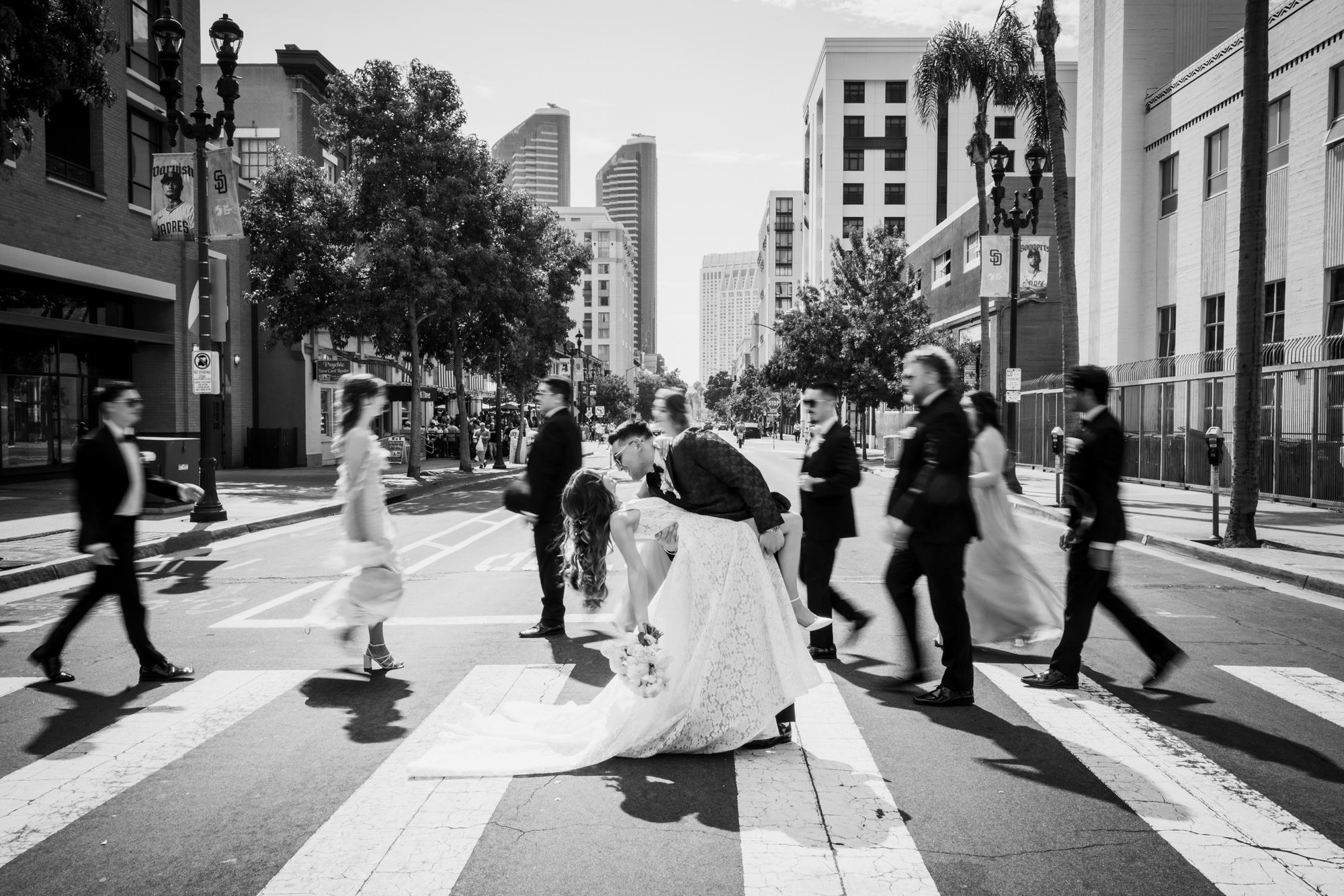
A growing trend in modern wedding portraits is keeping the couple perfectly still while the world moves around them. Wedding parties walking past, guests mingling, or even cars passing through the frame become soft motion blur while the couple remains sharp and centered.
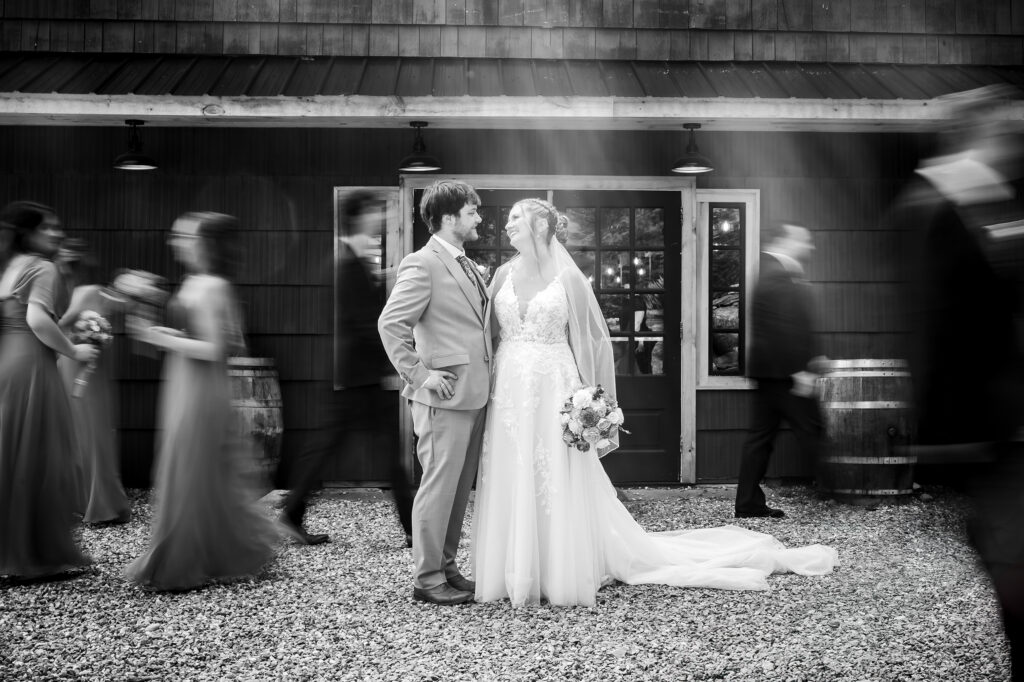
The result feels cinematic and intentional, almost like the couple has their own quiet moment in the middle of a busy day.
6. Black-and-White Blur for a Documentary Feel
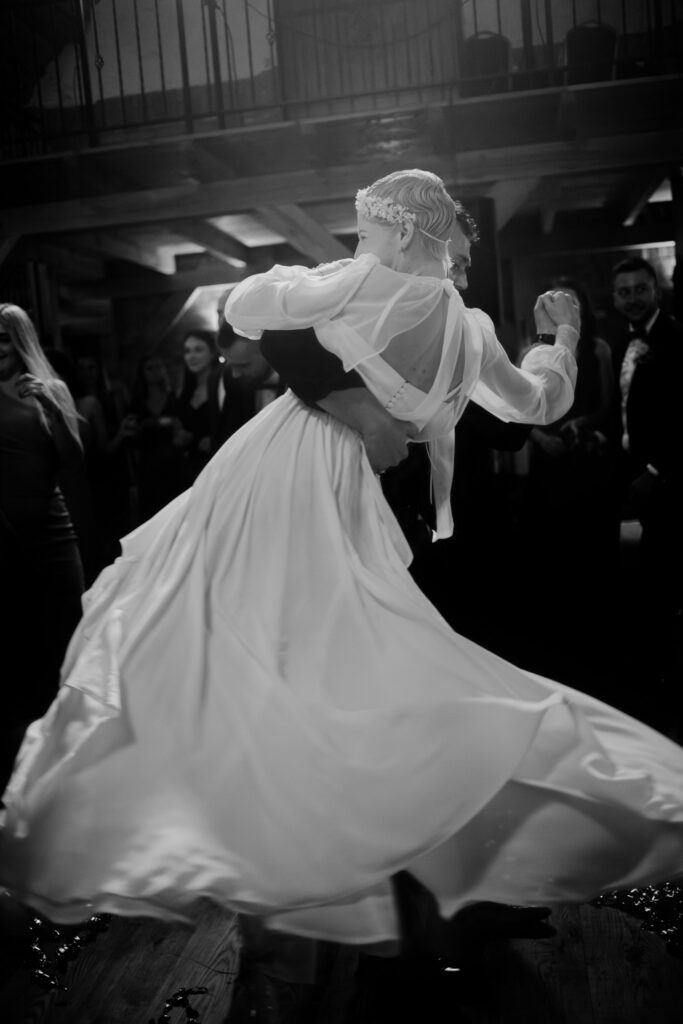
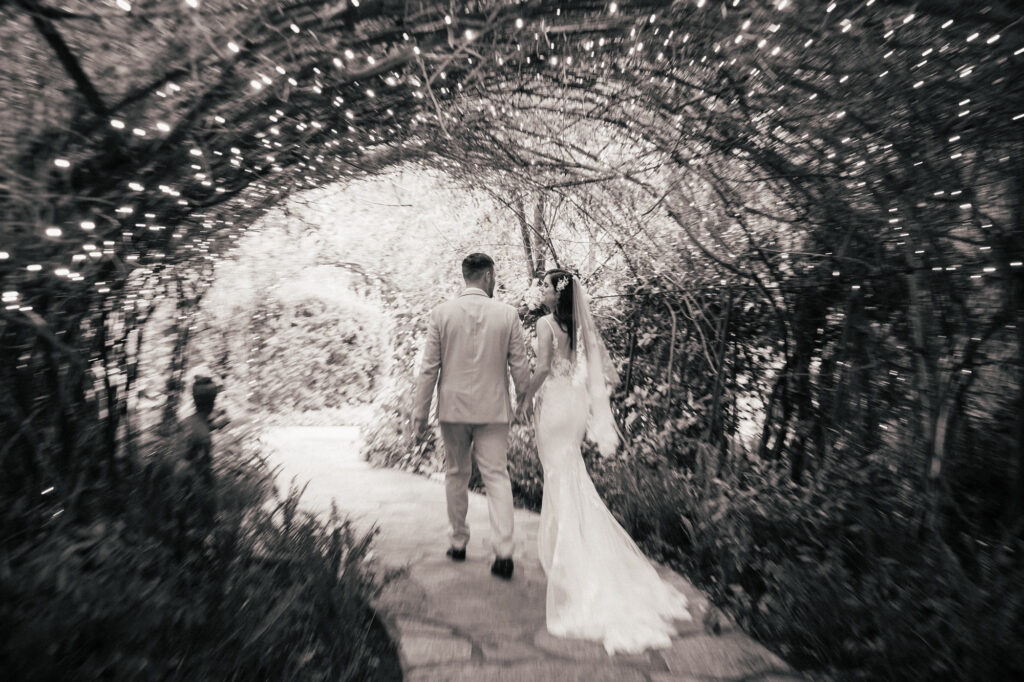
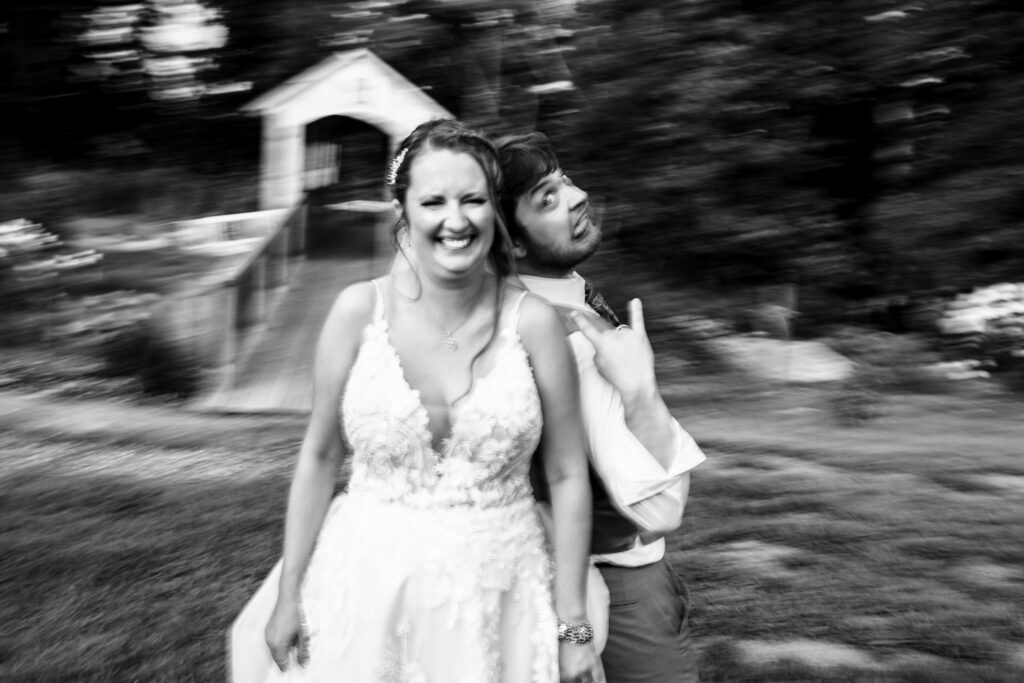
Blur pairs especially well with black-and-white edits. Without color competing for attention, movement and emotion become the focus. Camera shake, soft focus, or grain can make a moment feel raw in the best possible way.
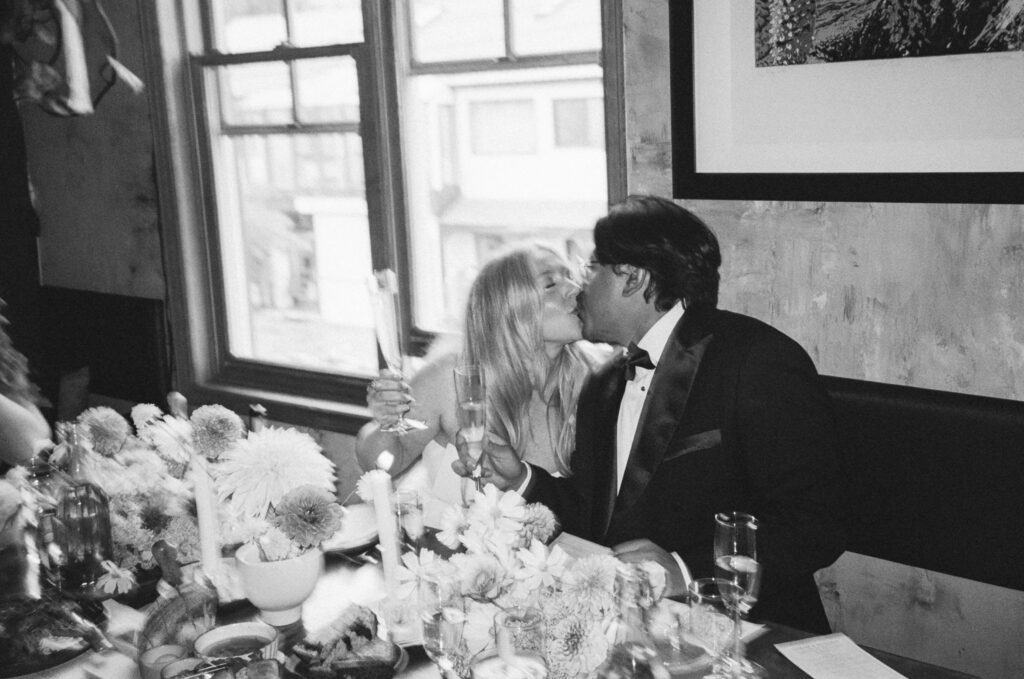
Laughing during portraits, kissing during a toast, or dancing under dim reception lighting often benefits from this looser, documentary-inspired approach.
7. Using Blur in Environmental Portraits
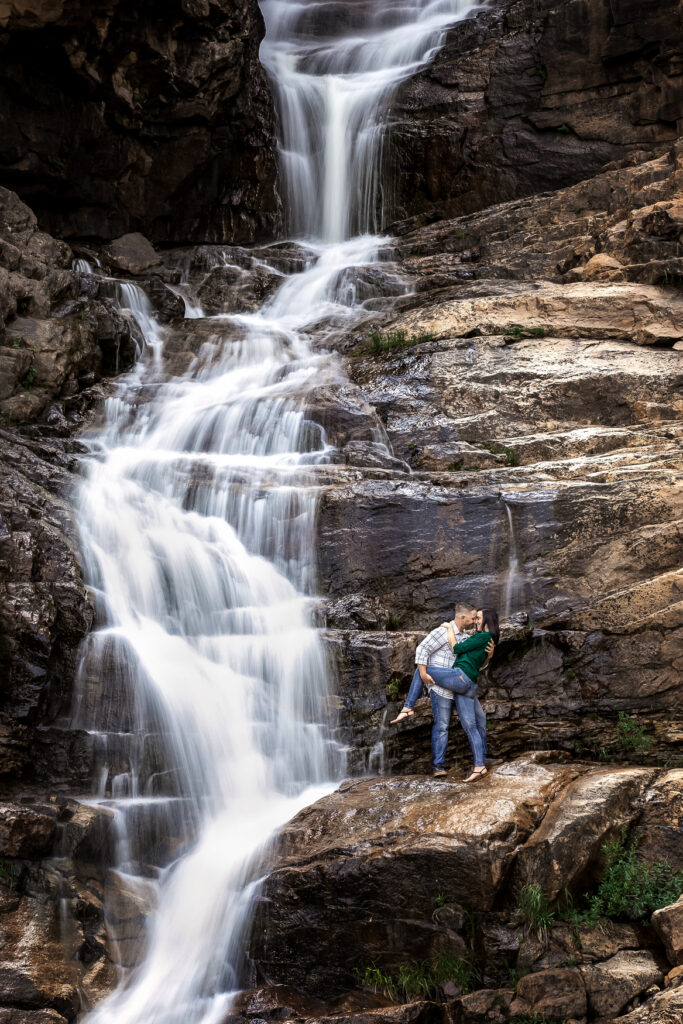
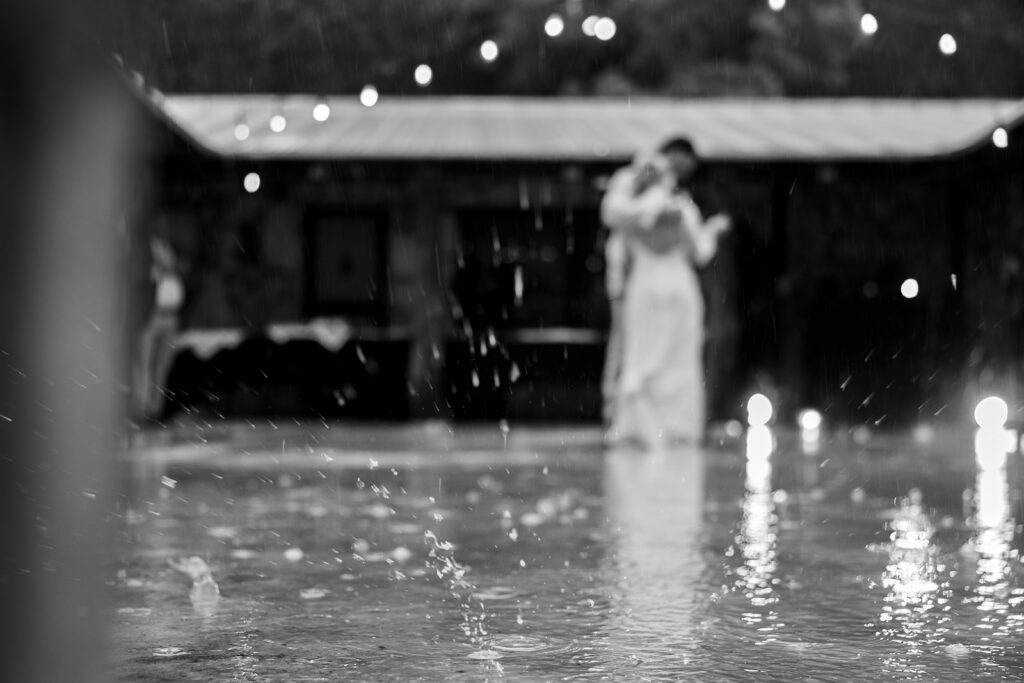
Blur doesn’t always have to come from the subjects themselves. Long exposures can soften waterfalls, fog, rain, or moving water while the couple remains still within the scene. This creates wedding portraits that feel expansive and atmospheric without losing the human connection. It’s a great reminder that blur can add texture and mood and not just movement.
8. Creative Double Exposure Effects
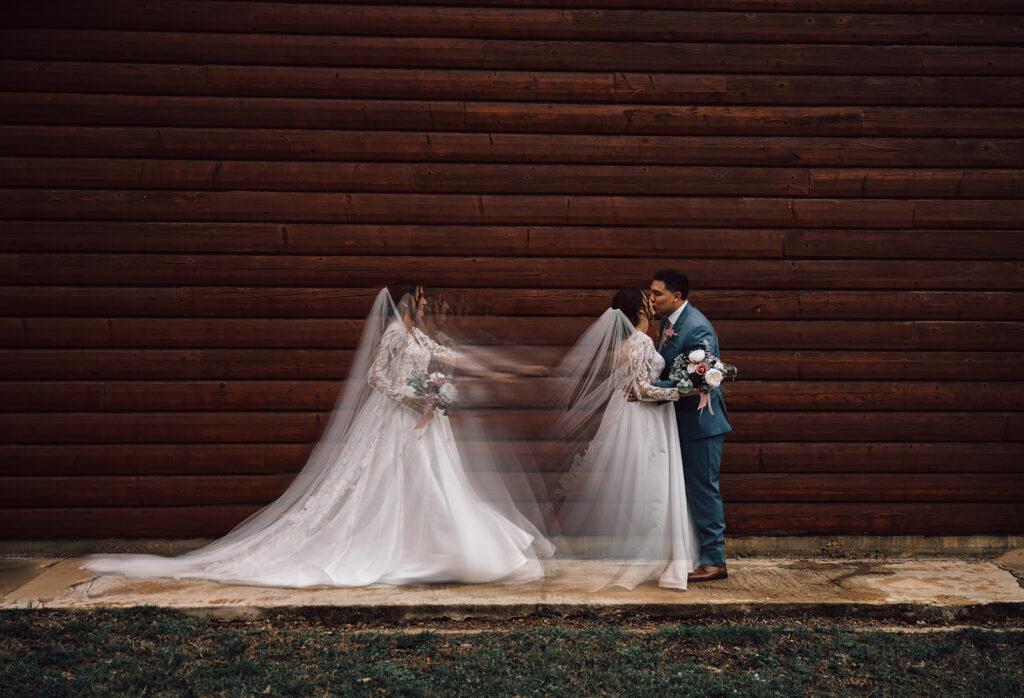
Some photographers are pushing blurry wedding portraits even further with layered or double-exposure effects. A bride walking toward herself and her partner kissing in the same frame creates an image that feels more like visual storytelling than traditional portraiture.
These photos tend to feel artistic without losing emotional impact, especially when movement is subtle rather than overdone.
9. Cropped Motion Shots That Focus on Movement
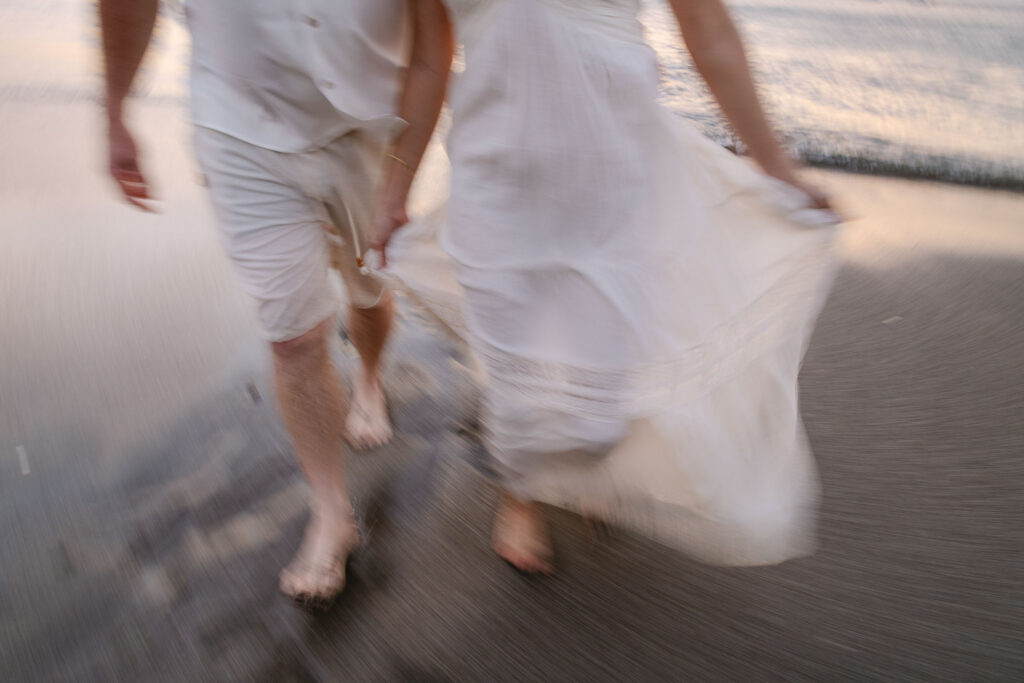
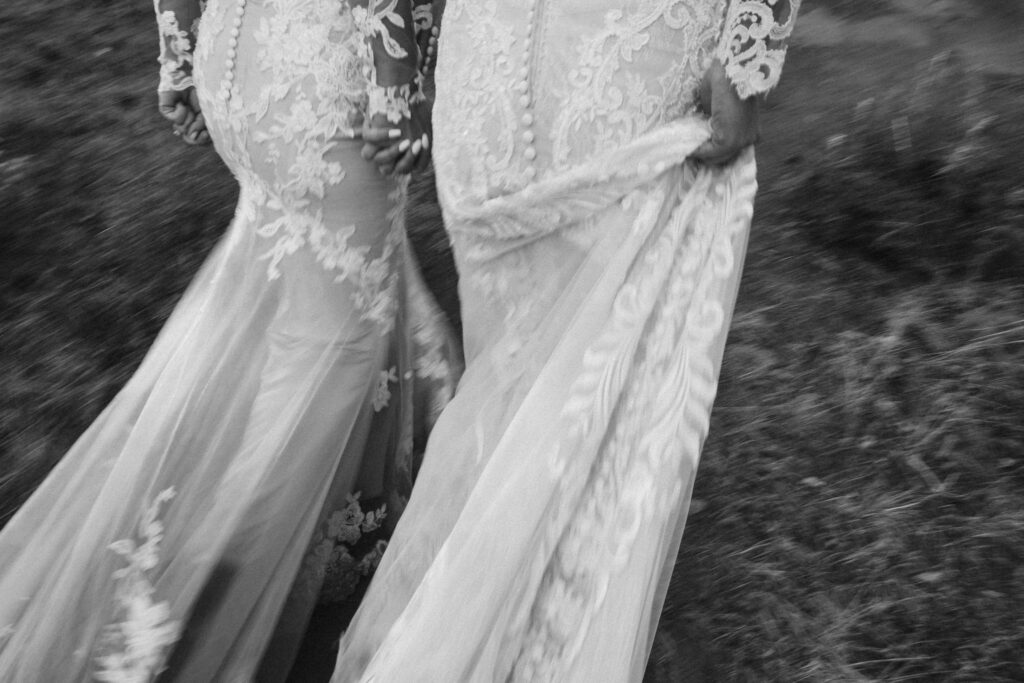
Not every wedding portrait needs faces front and center. Some of the most interesting blurry photos focus on smaller moments: bare feet walking through water, dresses dragging across the sand, hands pulling each other forward, or silhouettes moving through a tunnel of lights.
Cropping tightly shifts attention toward motion, texture, and atmosphere instead of expression alone.
10. Fully Blurred, Painterly Images
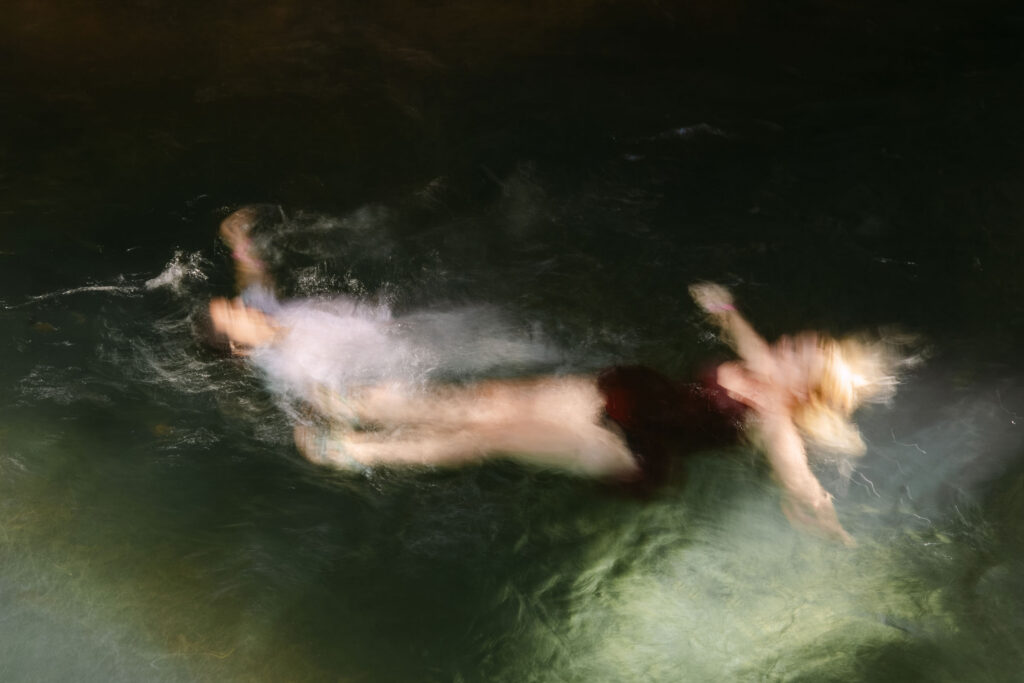
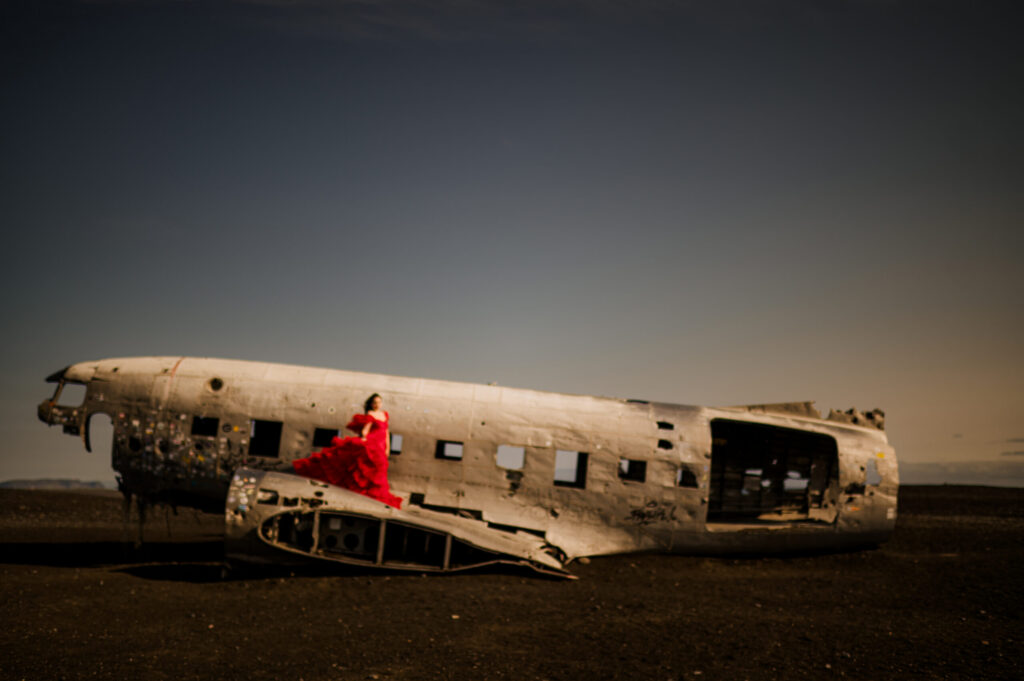
Some wedding photographers are embracing blur so heavily that the image starts to resemble a painting. Couples floating in water, dancing in fog, or standing in iconic landscapes with almost no tack-sharp focus create portraits that feel abstract and dreamlike.
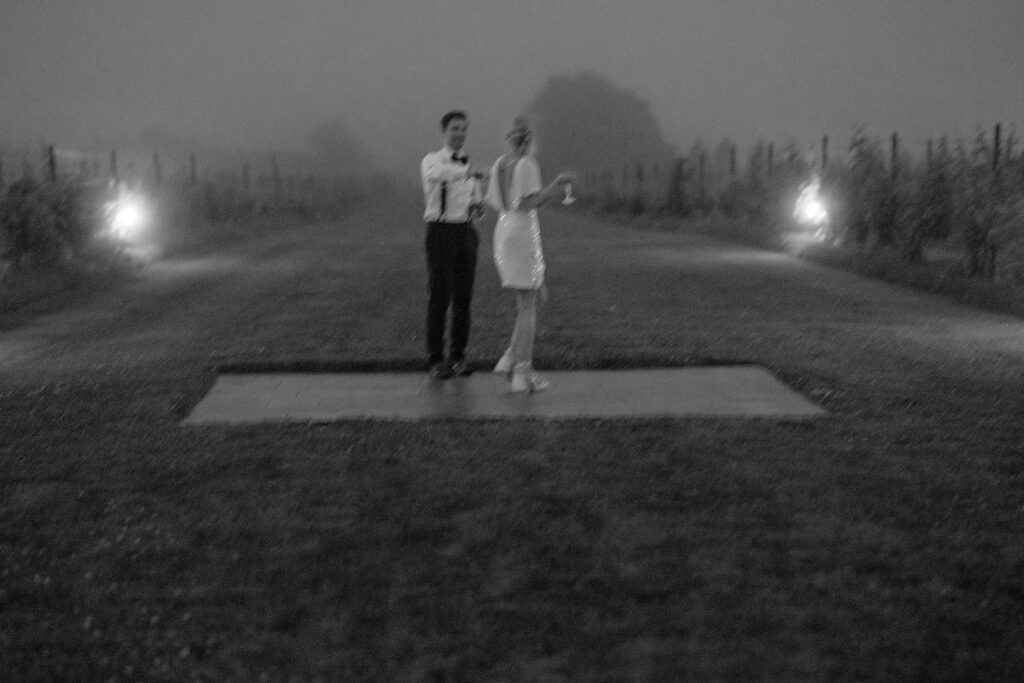
These aren’t the images that document what your wedding looked like; they capture what it felt like.
Final Thoughts
Intentional blur is becoming a bigger part of modern wedding photography. It brings movement, atmosphere, and personality into the frame. While traditional sharp portraits will always have their place, blurry photos offer something different. These are images that feel lived-in and slightly unpredictable.
If this style speaks to you, consider saving a few examples for your photographer before the wedding day. Better yet, look for photographers whose portfolios already incorporate creative motion and storytelling techniques naturally. The best blurry wedding portraits still feel purposeful; they just trade perfection for feeling.
Here are some more blurry wedding portraits for your inspiration: